Curabitur et lectus vitae purus tincidunt laoreet sit amet ac ipsum. Proin tincidunt mattis nisi a scelerisque. Aliquam placerat dapibus eros non ullamcorper. Integer interdum ullamcorper venenatis. Pellentesque habitant morbi tristique senectus et netus et malesuada fames ac turpis egestas.
Curabitur et lectus vitae purus tincidunt laoreet sit amet ac ipsum. Proin tincidunt mattis nisi a scelerisque. Aliquam placerat dapibus eros non ullamcorper. Integer interdum ullamcorper venenatis. Pellentesque habitant morbi tristique senectus et netus et malesuada fames ac turpis egestas.
Curabitur et lectus vitae purus tincidunt laoreet sit amet ac ipsum. Proin tincidunt mattis nisi a scelerisque. Aliquam placerat dapibus eros non ullamcorper. Integer interdum ullamcorper venenatis. Pellentesque habitant morbi tristique senectus et netus et malesuada fames ac turpis egestas.
Curabitur et lectus vitae purus tincidunt laoreet sit amet ac ipsum. Proin tincidunt mattis nisi a scelerisque. Aliquam placerat dapibus eros non ullamcorper. Integer interdum ullamcorper venenatis. Pellentesque habitant morbi tristique senectus et netus et malesuada fames ac turpis egestas.
Curabitur et lectus vitae purus tincidunt laoreet sit amet ac ipsum. Proin tincidunt mattis nisi a scelerisque. Aliquam placerat dapibus eros non ullamcorper. Integer interdum ullamcorper venenatis. Pellentesque habitant morbi tristique senectus et netus et malesuada fames ac turpis egestas.
Instagram and its users do benefit from the app’s ownership by Facebook, which invests tons in new artificial intelligence technologies. Now that AI could help keep Instagram more tolerable for humans. Today Instagram announced a new set of antii-cyberbullying features. Most importantly, it can now use machine learning to optically scan photos posted to the app to detect bullying and send the post to Instagram’s community moderators for review. That means harassers won’t be able to just scrawl out threatening or defamatory notes and then post a photo of them to bypass Instagram’s text filters for bullying.
In his first blog post directly addressing Instagram users, the division’s newly appointed leader Adam Mosseri writes “There is no place for bullying on Instagram . . . As the new Head of Instagram, I’m proud to build on our commitment to making Instagram a kind and safe community for everyone.” The filter for photos and captions rolls out over the next few weeks.
Instagram launched text filtering for bullying in May, but that could have just pushed trolls to attack people through images. Now, its bullying classifier can identify harassment in photos including insults to a person’s character, appearance, well-being, or health. Instagram confirms the image filter will work in feed and Stories. “Although this update only focuses on photos, we will be working to add protections for video, including IGTV, very soon” a spokesperson tells me.
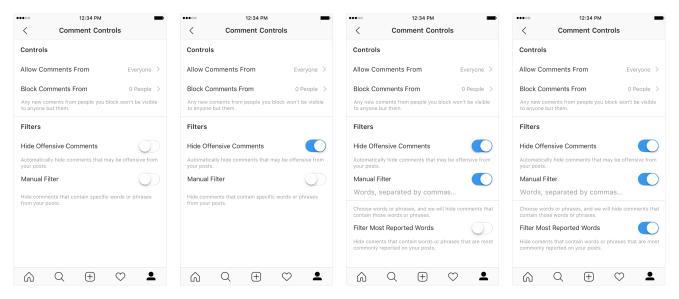
Instagram users will see the “Hide Offensive Comments” setting defaulted on in their settings. They can also opt to manually list out words they want to filter out of their comments, and can choose to auto-filter the most commonly reported words.
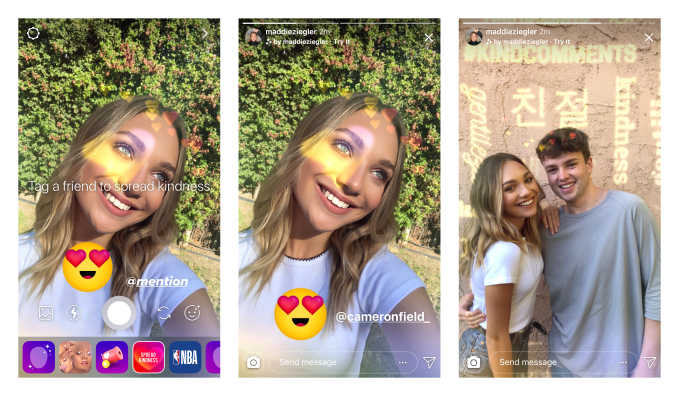
Meanwhile, Instagram is expanding its proactive filter for bullying in comment from the feed, Explore, and profile to also protect Live broadcasts. It’s launching a “Kindness” camera effect in partnership with Maddie Ziegler, best known as the child dancer version of Sia from her music video “Chandelier”. The effect showers your image with hearts and prompts you to tag a friend you care about. It’ll be visible to in users’ camera effects tray if they follow Ziegler, or if they see a friend use it, they can try it themselves.
For Instagram to remain the favorite app of teens, it can’t let this vulnerable community be victimized. There’s been a lot of talk about Facebook intefering with Instagram after the photo app’s co-founders resigned. But the parent company’s massive engineering organization affords Instagram economies of scale that unlock tech like this bullying filter that an independent startup might not be able to develop.
from Social – TechCrunch https://ift.tt/2NvkYDG Instagram now uses machine learning to detect bullying within photos Josh Constine https://ift.tt/2C6g4er
via IFTTT
{rss:content:encoded} SoundCloud finally lets more musicians monetize four years later https://ift.tt/2IIZUc1 https://ift.tt/2ObZO2G October 09, 2018 at 01:59PM
SoundCloud moves painfully slow for a tech company, and no one feels that pain more than musicians who are popular on the site but don’t get paid. 10 years since SoundCloud first launched, and four years since it opened an invite-only program allowing just the very biggest artists to earn a cut of the ad and premium subscription revenue generated by their listeners, SoundCloud is rolling out monetization.
Now, musicians 18 and up who pay SoundCloud $8 to $16 per month for hosting, get over 5000 streams per month, and only publish original music with no copyright strikes against them can join the SoundCloud Premier program. They’ll get paid a revenue share directly each month that SoundCloud claims “meets or beats any other streaming service”. However, the company failed to respond to TechCrunch’s inquiries about how much artists would earn per 1000 ad-supported or premium subscription listener streams, or how many streams would earn them a dollar.
Beyond payouts, Premier members can post new tracks instantly without having to wait to be discoverable or monetizable, they’ll get real-time feedback from fans, and extra discovery opportunities from SoundCloud. The company hopes monetization will lure more creators to join the 20 million on the platform, get them to promote their presence to drive listens, and imbue the site with exclusive artist-uploaded content that attracts listeners.
It’s been a year since SoundCloud raised an $170 million emergency funding round to save itself from going under after it was forced to lay off 40 percent of its staff. That deal arranged by Kerry Trainor saw him become CEO and the previous co-founder and CEO Alex Ljung step aside. With underground rap that had percolated on SoundCloud for years suddenly reaching the mainstream, the startup seemed to have momentum.
The problem is the slow speed of progress at SoundCloud has allowed competitors with monetization baked in to catch up to its formerly unique offering. YouTube Music’s launch in June 2018 combined premium major label catalogues with user uploaded tracks in a cohesive streaming service. And last month, Spotify began allowing indie artists to upload their music directly to the platform. Meanwhile, licensing distribution services like Dubset are making it legal for big streaming apps to host remixes and DJ sets. Together, these make more of the rarities, live versions, and hour-long club gigs that used to only be on SoundCloud available elsewhere.
SoundCloud proudly announced it had reached $100 million in revenue in 2017, and exceeded its financial and user growth targets. But filings reveal it lost over $90 million in 2016 and it was previously projected to not become profitable until 2020. That begs the question of whether SoundCloud will have to raise again, or might once again open itself to acquisitions. With Apple, Google, Amazon, and Spotify all in fierce competition for the future of streaming, any of them might be willing to pay up for music that fans can’t easily find elsewhere.
SoundCloud moves painfully slow for a tech company, and no one feels that pain more than musicians who are popular on the site but don’t get paid. 10 years since SoundCloud first launched, and four years since it opened an invite-only program allowing just the very biggest artists to earn a cut of the ad and premium subscription revenue generated by their listeners, SoundCloud is rolling out monetization.
Now, musicians 18 and up who pay SoundCloud $8 to $16 per month for hosting, get over 5000 streams per month, and only publish original music with no copyright strikes against them can join the SoundCloud Premier program. They’ll get paid a revenue share directly each month that SoundCloud claims “meets or beats any other streaming service”. However, the company failed to respond to TechCrunch’s inquiries about how much artists would earn per 1000 ad-supported or premium subscription listener streams, or how many streams would earn them a dollar.
Beyond payouts, Premier members can post new tracks instantly without having to wait to be discoverable or monetizable, they’ll get real-time feedback from fans, and extra discovery opportunities from SoundCloud. The company hopes monetization will lure more creators to join the 20 million on the platform, get them to promote their presence to drive listens, and imbue the site with exclusive artist-uploaded content that attracts listeners.
It’s been a year since SoundCloud raised an $170 million emergency funding round to save itself from going under after it was forced to lay off 40 percent of its staff. That deal arranged by Kerry Trainor saw him become CEO and the previous co-founder and CEO Alex Ljung step aside. With underground rap that had percolated on SoundCloud for years suddenly reaching the mainstream, the startup seemed to have momentum.
The problem is the slow speed of progress at SoundCloud has allowed competitors with monetization baked in to catch up to its formerly unique offering. YouTube Music’s launch in June 2018 combined premium major label catalogues with user uploaded tracks in a cohesive streaming service. And last month, Spotify began allowing indie artists to upload their music directly to the platform. Meanwhile, licensing distribution services like Dubset are making it legal for big streaming apps to host remixes and DJ sets. Together, these make more of the rarities, live versions, and hour-long club gigs that used to only be on SoundCloud available elsewhere.
SoundCloud proudly announced it had reached $100 million in revenue in 2017, and exceeded its financial and user growth targets. But filings reveal it lost over $90 million in 2016 and it was previously projected to not become profitable until 2020. That begs the question of whether SoundCloud will have to raise again, or might once again open itself to acquisitions. With Apple, Google, Amazon, and Spotify all in fierce competition for the future of streaming, any of them might be willing to pay up for music that fans can’t easily find elsewhere.
Upskill has been working on a platform to support augmented and mixed reality for almost as long as most people have been aware of the concept. It began developing an agnostic AR/MR platform way back in 2010. Google Glass didn’t even appear until two years later. Today, the company announced the early release of Skylight for Microsoft HoloLens.
Upskill has been developing Skylight as an operating platform to work across all devices, regardless of the manufacturer, but company co-founder and CEO Brian Ballard sees something special with HoloLens. “What HoloLens does for certain types of experiences, is it actually opens up a lot more real estate to display information in a way that users can take advantage of,” Ballard explained.
He believes the Microsoft device fits well within the broader approach his company has been taking over the last several years to support the range of hardware on the market while developing solutions for hands-free and connected workforce concepts.
“This is about extending Skylight into the spatial computing environment, making sure that those workflows, the collaboration, the connectivity is seamless across all of these different devices,” he told TechCrunch.
Microsoft itself just announced some new HoloLens use cases for its Dynamics 365 platform around remote assistance and 3D layout, use cases which play to the HoloLens strengths, but Ballard says his company is a partner with Microsoft, offering an enhanced, full-stack solution on top of what Microsoft is giving customers out of the box.
That is certain something Microsoft’s Terry Farrell, director of product marketing for mixed reality at Microsoft recognizes and acknowledges. “As adoption of Microsoft HoloLens continues to rapidly increase in industrial settings, Skylight offers a software platform that is flexible and can scale to meet any number of applications well suited for mixed reality experiences,” he said in a statement.
That involves features like spatial content placement, which allows employees to work with digital content in HoloLens and affect the real world hands-free. They enhance this with the ability to see multiple reference materials across multiple windows at the same time, something we are used to doing with a desktop computer, but not with a device on our faces like HoloLens. Finally, users can use hand gestures and simple gazes navigate in virtual space, directing applications or moving windows, as we are used to doing with keyboard or mouse.
Upskill also builds on this with its broad experience securely connecting to back-end systems to pull the information into the mixed reality setting wherever it lives in the enterprise.
The company is based outside of Washington, D.C. in Herndon, Virginia. It has raised over $45 million, according to Crunchbase. Ballard says the company currently has 70 employees. Customers using Skylight include Boeing, GE, Coca-Cola, Telestra and Accenture.
https://ift.tt/eA8V8J Upskill launches support for Microsoft HoloLens https://ift.tt/2CwYh11
Matt Lerner, who has for the last few years effectively been 500 Startups’ main person in London, is reducing his role at the Silicon Valley-based VC fund and accelerator to pursue a new business of his own. He’s officially scaling back to a part-time position of Venture Partner to launch “growth coaching” company Heretix.
The idea, he tells me, is to build on his work running the 500 Startups London “Distro Dojo” growth marketing program, but in a way that opens it up to more startups in the U.K. and across Europe that are in need of building a self-sufficient growth strategy. That’s because any company is free to approach Heretix, which is initially acting as a simple gun for hire (although you still need to apply) and, unlike Distro Dojo, isn’t a program tied to an equity investment.
“We’re not an agency, and we’re not a bootcamp,” says Lerner, who will continue to head up 500 Startups’ London office and support its U.K. portfolio. “Heretix is focused on providing growth coaching for startup founders and teams. Our first goal is to help them double, triple or 10x their growth. Our second goal is to make them self-sufficient.”.
To provide further context, Lerner says to think back to 2015 when he left PayPal to join 500 Startups in London, a city that wasn’t short of accelerators but was facing a “Series A Crunch”. “The capital was there, and so were the seed-stage startups. So what was the problem?” he says. The answer: VCs could not find enough investable companies with Series A traction.
“Through my work at 500, I saw a ton of seed-stage companies who were able to hustle themselves to mid-five-figure MRR.. But they would flatten out, their hustle would not scale. They could not find the multiple repeatable channels they needed to break through the £100,000 monthly revenue barrier”.
In an attempt to solve this problem, 500 Startups decided to launch a growth marketing investment program, and based on his experience building B2B growth teams for PayPal, tapped up Lerner to run it. The resulting “Distro Dojo” was a program with a mandate to help post-seed companies scale growth on top of existing traction.
“I set up the Dojo and was lucky enough to get some very talented entrepreneurs and marketers to join me. And, it really made a difference,” says Lerner. “We worked with 35 companies, and earned a ‘Net Promoter’ score of 96 percent from our founders. And their companies saw an average growth of 250 percent year-on-year with many companies growing revenue 3x, 5x, even 20x. And many of them have raised at higher valuations, including AirSorted, ZenJob, Tamatem, Popsa, Settled and OurPath”.
To that end, in combination with other members of the original Dojo team, Heretix sees its official unveiling today, with a mission to help companies grow without being tied to outside agencies or consultants. That’s because Lerner believes that you can’t ultimately outsource growth, it has to be an “internal muscle” you develop as a founder and as a company.
“The 500 Distro Dojo helped us prove out the model, and now we want to offer that coaching to promising startups all over Europe, without taking equity” adds Lerner. “Our program has two formats: our half-day ‘Quick Wins’ workshop and a ‘Core Strengths’ program that runs part-time for two months.”
https://ift.tt/eA8V8J Matt Lerner reduces role at 500 Startups to launch ‘growth coaching’ company Heretix https://ift.tt/2y9kTk7
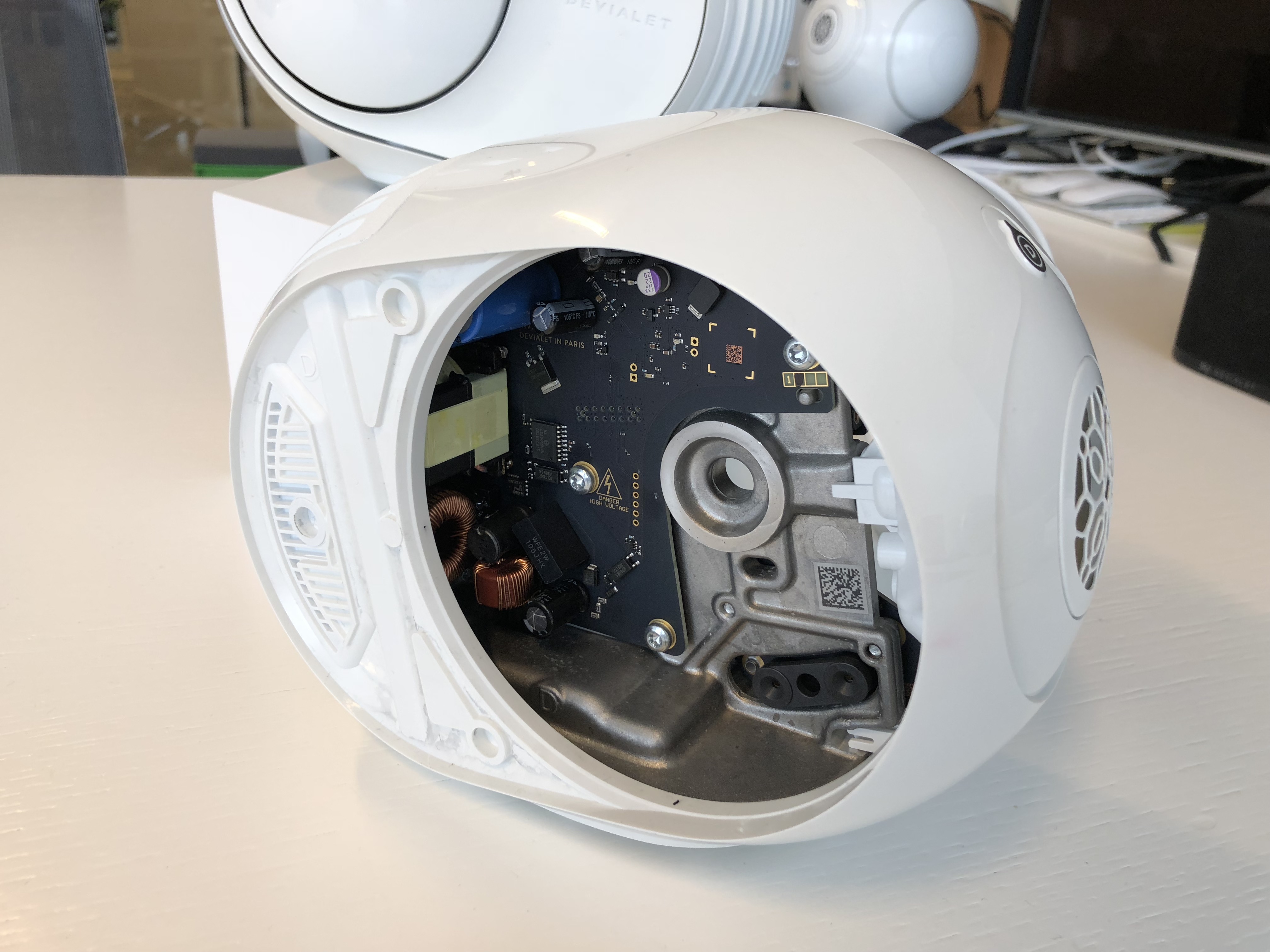
French speaker maker Devialet is arguably manufacturing some of the best sounding all-in-one speakers on the market, but they’ve always been too expensive for the average customer. With the Phantom Reactor, the company is releasing a cheaper speaker that still sounds great.
At €990 ($1,137), Devialet is going for a wider audience of music fans who have enough disposable income to look beyond your average Bluetooth speaker.
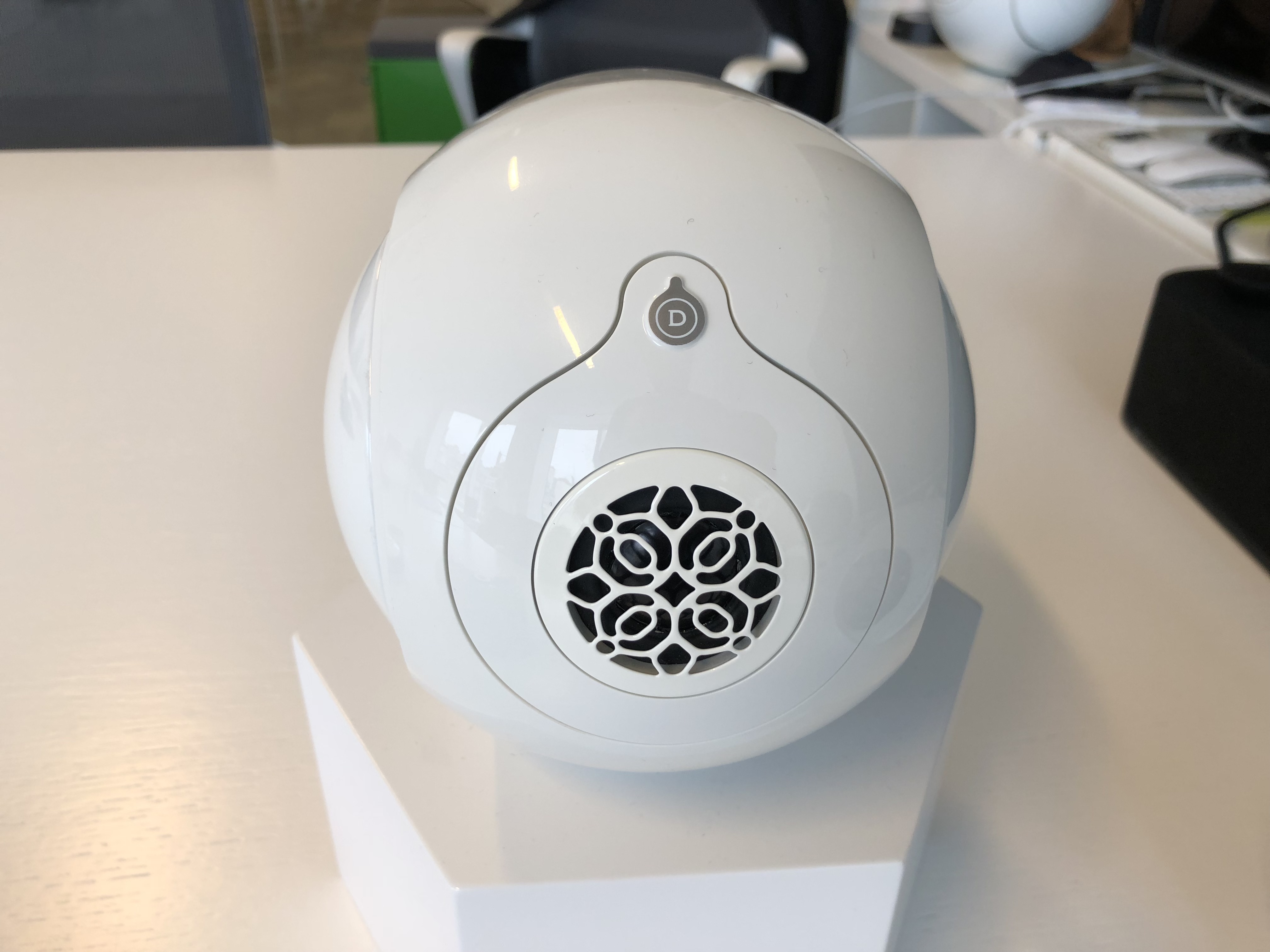
But pricing is just part of the story. The Phantom Reactor is also much more compact than the original Phantom. It is four times smaller and weighs 10 pounds. It’s still quite heavy, so you won’t be able to pack it in your suitcase when you’re flying for vacation.
But you can now put it on a shelf, unplug it and move it to the kitchen, etc. In other words, you no longer have to dedicate an entire table to your Devialet speaker. And as you saw in the photos, it definitely looks like a Devialet speaker with its egg-shaped design, but much smaller.
Fortunately, the company tried to compromise as little as possible when it comes to sound. Devialet has worked for three years on this speaker to produce the same sound quality in a smaller package. “We had to reinvent everything to release this product,” co-founder and CTO Pierre-Emmanuel Calmel told me.
When it comes to specifications, the Phantom Reactor features a tiny touch panel at the top to control the speaker. It connects to your phone or computer using Wi-Fi, Bluetooth, AirPlay, Spotify Connect or UPnP. There’s also an audio jack. Chromecast Audio support as well as the ability to pair multiple speakers will come later with an update (you probably can already use multiple speakers with AirPlay 2 though).
There’s no microphone and Devialet doesn’t plan to support voice assistants on its devices directly. “We are completely focused on sound quality. We want to be platform agnostic with Apple, Amazon or Google. Our idea is that we want to make our speakers compatible with all the protocols from those companies — but our business is sound quality,” CEO Franck Lebouchard told me (former CEO Quentin Sannié wasn’t around during our meeting).
If you’re into voice assistants, you can always find a workaround. For instance, you can buy an Amazon Echo Dot and plug it to your Phantom Reactor. Let’s see if the company adds HomeKit support and other smart home features in the coming months.
Given that Sonos has taken a U-turn and integrated Amazon Alexa into its flagship speaker, I pushed a bit more on this front. “We have no plan today because it would involve a lot of effort to interact with Reactor to do your shopping. In the end, we’ll never be as good as Amazon,” Lebouchard said.
So the Phantom Reactor is just a damn good speaker, nothing else. “There’s zero background noise, zero saturation and zero distorsion,” Lebouchard said. And just like other Devialet speakers, it’s incredibly loud for the size of the speaker. During my fairly limited listening session, it sounded awesome.
It takes advantage of Devialet’s patent portfolio, including its unique sound amplification technology, a mathematical model that lets you push the speaker to its physical limits and the iconic piston-powered woofers.
But Devialet isn’t just a speaker manufacturer. The company has licensed its technology to other companies, such as Sky in the U.K. A couple of years ago, the company wanted to put a “Sound powered by Devialet” sticker on all your electronics products, from your TV to the speakers in your car.
“Phantom was the first step to make our technology accessible,” Lebouchard said. “Phantom reaches tens of thousands of people today. We’ve crossed a big milestone with the Sky Soundbox and we now reach hundreds of thousands of people.” And with the Phantom Reactor, the company hopes to reach even more customers.
The company told me that Devialet will follow all options. There will be new in-house Devialet products as well as more licensing deals. Lebouchard gave me a ‘no comment’ on the Freebox rumors though.
The Phantom Reactor will be manufactured in France near Fontainebleau. The company has built a brand new factory and expects to produce a speaker every 49 seconds.
There will be two versions of the Phantom Reactor, a 600W model for €990 and a 900W model for €1,290. Pre-orders start tomorrow and the speaker will be available in many consumer electronics stores (also on Amazon) on October 24th.
https://ift.tt/2NxvWZd Devialet unveils an ambitious new speaker https://ift.tt/2OHsWyj
Mapify, the Berlin startup that offers what it describes as a “social travel network,” has raised $1 million in seed funding from a mixture of U.S. and Europe-based funds and angel investors.
The include Switzerland’s Ennea VC (led by Jan Valentin, who served as Senior Vice President at Kayak in Europe), Roland Grenke (co-founder of Dubsmash), Navid Hadzaad Javaherian (former founder and CEO at GoButler and Product Leader at Amazon Alexa), L.A.-based LayJax Ventures (the investment vehicle of Pheed co-founder Phil Haus and actor Zach Avery), Niv Dror (previously of Product Hunt and AngelList), and Lucas von Cranach (CEO of OneFootball).
The company had previously received investment from MIT’s Sandbox Innovation Fund, Gunnar Froh (who launched Airbnb’s international expansion), Fredrik Posse (Partnerships Manager at Spotify), and Hagen Angermann (former Senior Manager at Daimler in Asia).
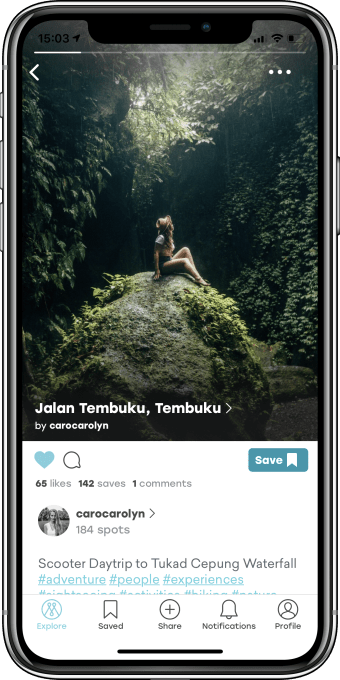
Launched in November 2017 — and a finalist in TechCrunch Battlefield — Mapify is a social travel app that lets you “visualize, find and plan” individual travel experiences. You can visually document past and current travel experiences, including photos, descriptions and other details, either related to an individual experience or entire trip. You can also connect with other travellers via a follow function and the ability to comment on places shared or by collaborating on “collections”.
In addition — in classic social media style — the Mapify app features a location-focused feed, which pushes personal recommendations based on travel interests as understood by the platform. You can search for countries, regions and cities on Mapify to discover spots to save to your private lists of planned trips.
“The global travel market and especially its planning and booking process is fragmented,” Mapify co-founder and CEO Patrick Häde tells TechCrunch. “People are using dozens of different sources for inspiration or planning and end up sharing Google docs with friends to create some kind of unified experience. We have designed an app unifying the travel space by pulling together inspiration, sharing and planning into a seamless mobile-first platform that is based on a social network of travelers around the globe. We are designing Mapify to be social because we believe the future of travel lies in unique and personal recommendations from friends and influencers”.
To that end, Mapify is currently most popular amongst millennials, especially those who travel frequently. “As some call it the ‘Instagram of Travel’, the platform has grown virally through re-sharings on Instagram and by word-of-mouth,” Häde says.
Rather confusingly, Instagram might also be seen as a competitor, as it too can be used for travel inspiration. However, the Mapify co-founder says Instagram’s data structure is not well-suited for a travel planning process (e.g. no exact locations). Another more obvious competitor is TripAdvisor, but it doesn’t offer personalised travel feeds, making it less efficient to navigate.
Meanwhile, Mapify currently generates revenue through in-depth partnerships with travel companies such as Airbnb. “By combining different travel services in one single mobile platform, we have seen increasing interest amongst the top players in the travel industry to become part of the Mapify platform,” adds Häde.
Frontify, the Swiss startup that’s built a “brand management platform,” has raised a chunky $8.3 million in Series A funding. Leading the round is Blossom Capital, the new London-based venture capital firm co-founded by ex-Index and LocalGlobe VC Ophelia Brown. Frontify’s previous seed investors include Doodle co-founder Myke Naef, former Googler Thomas Duebendorfer, and Cédric Waldburger of Tenderloin Ventures.
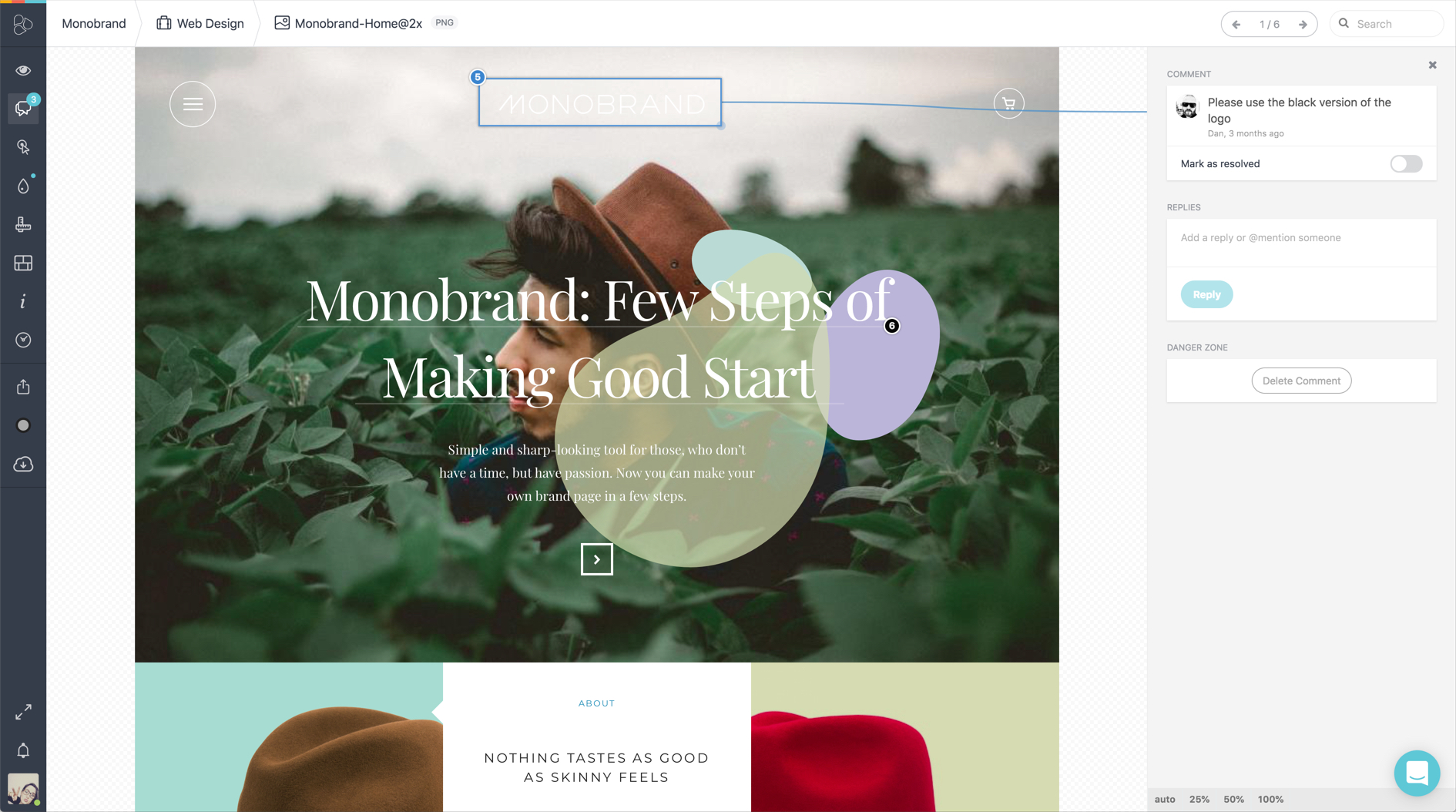
Founded in 2013 by CTO Roger Dudler — and headquartered in the Swiss city St. Gallen, no less — Frontify is a Software-as-a-Service that helps companies manage their branding in a more consistent and efficient way. The SaaS provides employees across an organisation access to an “always up-to-date” brand portal, media library, pattern library and style guides. It is targeted mostly at marketing and branding teams, but is also cleverly built to include designers and software engineers, so that all the respective people in a company can collaborate internally and externally on branded content.
The premise, as articulated by Blossom Capital’s Brown, is that in an age of social media and a plethora of content channels, it is more important than ever for companies to cultivate and protect their brand. Better brand consistency helps to build trust and long-term value, which helps companies stay competitive without having to join a race to the bottom, particularly in terms of how they position themselves against competitors and with regards to pricing. In other words, premium pricing can only be achieved with a premium brand, in addition to providing high quality products and service, of course.
“In today’s fast-paced world, sending static PDF brand guidelines by email, or using a DAM [digital asset manager], is not enough to uphold brand consistency across all communication channels,” Frontify CEO Andreas Fischler tells me, when asked to explain the problem. “With Frontify, we aim to create a brand management platform which enables everyone in a company to create beautiful and brand-consistent content”.
To that end, the Frontify platform includes five main features: The ability to create a “Style Guide” (online brand guidelines); a “UI Pattern Library” (a pattern library for front end code/design systems); “Digital Asset Management” (a place to store all of a brand’s digital assets, such as logo etc.); a “Workspace” (for digital brand collaboration), and “Publishing” (a way for employees to create ‘on-brand’ content based on templates, all within a web browser).
“With Frontify, all brand touch-points can be aligned, allowing companies to communicate and operate with more brand consistency,” adds Fischler. “This leads to a stronger brand, which allows companies to raise prices, get better margins, attract the very best employees, and spread through word of mouth -– fuelling company growth”.
To that end, Fischler says the new Series A will be used to further build out the Frontify suite of products, and to expand to the U.S., including opening an office in New York (you can only get so far from St. Gallen). The startup’s biggest markets so far are the U.S., U.K., Germany, and Switzerland. In addition to the U.S., it also plans to expand into Benelux, Northern Europe, Latin America, Spain, and France.
Frontify already claims “several hundred enterprise customers”. They include Lufthansa, IBM, Allianz, Vodafone, and Deliveroo. The Swiss startup is also partnering with some of the leading agencies worldwide, including Interbrand, Sapient, Bold, and Praekelt.
Meanwhile, regarding competitors, Fischler had this to say: “Most of our competitors have their roots in Digital Asset Management and still focus on this topic. We are convinced that using a DAM is just a small part of creating consistent brand experiences for all touch-points. Brand management is more significant than that. We believe in providing everyone throughout an organisation with the ability to create brand-consistent content in everyday work. No matter which department you work in. We aim to provide entire brand worlds at the tips of every employees’ fingers; a complete brand management solution. For every company size”.
https://ift.tt/2Nwe2X5 Brand management platform Frontify raises $8.3M led by Blossom Capital https://ift.tt/2QDgM6F
Google+ is shutting down at last. Google announced today it’s sunsetting its consumer-facing social network due to lack of user and developer adoption, low usage and engagement. Oh, and a data leak. It even revealed how poorly the network is today performing, noting that 90% of Google+ user sessions are less than five seconds long. Yikes.
But things weren’t always like this. Google+ was once heralded as a serious attempt to topple Facebook’s stranglehold on social networking, and was even met with excitement in its first days.
2011
June: The Unveiling
The company originally revealed its new idea for social networking in June 2011. It wasn’t Google’s first foray into social, however. Google had made numerous attempts to offer a social networking service of some sort, with Orkut, launched in 2004 and shuttered in fall 2014; Google Friend Connect in 2008 (retired in 2012), and Google Buzz in 2010 (it closed the next year).
But Google+ was the most significant attempt the company had made, proclaiming at the time: “we believe online sharing is broken.”
The once top-secret project was the subject of severalleaksahead of its launch, allowing consumer interest in the project to build.
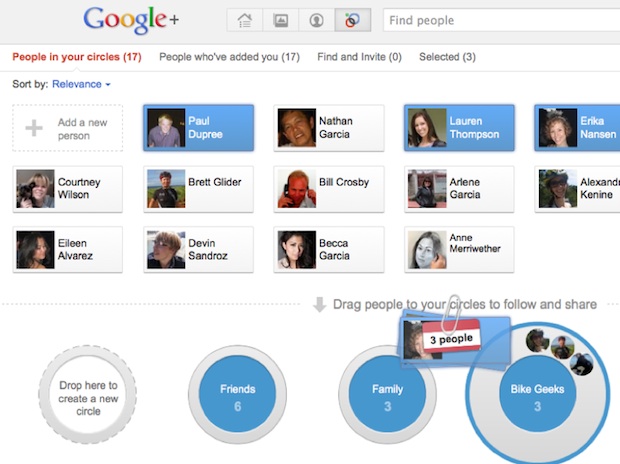
Led by Vic Gundotra and Bradley Horowitz, Google’s big idea to fix social was to get users to create groups of contacts – called “Circles” – in order to have more control over social sharing. That is, there are things that are appropriate for sharing with family or close friends, and other things that make more sense to share with coworkers, classmates, or those who share a similar interest – like biking or cooking, for example.
But getting users to create groups is difficult because the process can be tedious. Google, instead, cleverly designed a user interface that made organizing contacts feel simpler – even fun, some argued. It was also better than the system for contact organization that Facebook was offering at the time.
Next thing you know, everyone was setting up their Circles by dragging-and-dropping little profile icons into these groups, and posting updates and photos to their newly created micro-networks.
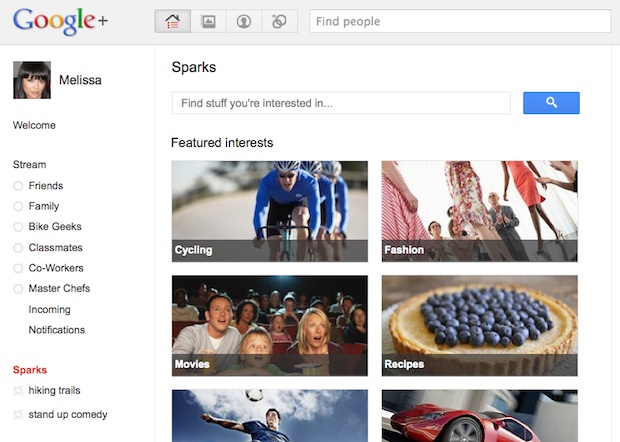
Another key feature, “Sparks,” helped users find news and content related to a user’s particular interests. This way, Google could understand what people liked and wanted to track, without having an established base of topical pages for users to “Like,” as on Facebook. But it also paved the way for a new type of search. Instead of just returning a list of blue links, a search on Google+ could return people’s profiles who were relevant to the topic at hand, matching pages, and other content.
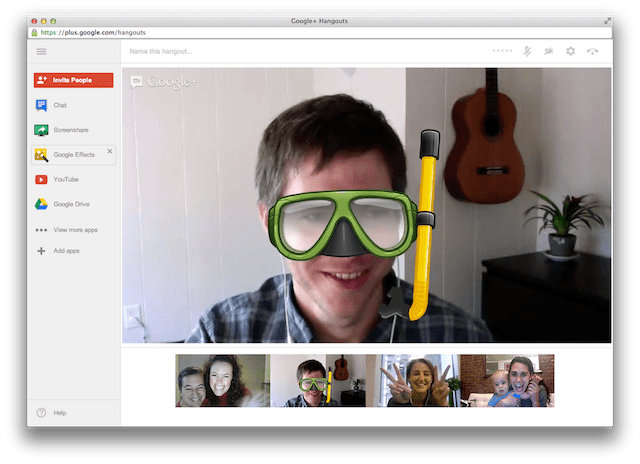
Google+ also introduced Hangouts, a way to video chat with up to 10 people in one of your Circles at once.
At the time, the implementation was described as almost magical. This was due to a number of innovative features, like the way the software focused in on the person talking, for example, and the way everyone could share content within a chat.
Early growth looked promising
Within two weeks, it seemed Google had a hit on its hands, as the network had reached 10 million users. Just over a month after launch, it had grown to 25 million. By October 2011, it reached 40 million. And by year-end, 90 million. Even if Google was only tracking sign-up numbers, it still appeared like a massive threat to Facebook.
Facebook CEO Mark Zuckerberg’s first comment about Google+, however, smartly pointed out that any Facebook competitor will have to build up a social graph to be relevant. Facebook, which had 750 million users at the time, had already done this. Google+ was getting the sign-ups, but whether users would remain active over time was still in question.
July: Backlashes over brands and Real Names policy
In an effort to compete with Facebook, Google+ also enforced a “real names” policy. This angered many users who wanted to use pseudonyms or nicknames, especially when Google began deleting their accounts for non-compliance. This was a larger issue than merely losing social networking access, because losing a Google account meant losing Gmail, Documents, Calendar and access to other Google products, too.
It wouldn’t fix some of these problems for years, in fact. Eric Schmidt even reportedly once suggested finding another social network if you didn’t want to use your real name – a comment that came across as condescending.
If you can’t beat ’em, force ’em! Google began to require users to have a Google+ account in order to sign-up for Gmail. It was not a user-friendly change, and was the start of a number of forced integrations to come.
March: Criticism mounts
TechCrunch’s Devin Coldewey argued that Google failed to play the long game in social, and was too ambitious in its attempt with Google+. All the network really should have started with was its “+1” button – the clicks would generate piles of data tied to users that could then be searchable, private by default, and shareable elsewhere.
June: Event spam goes viral
Spam remained an issue on Google+. This time, event spam had emerged, thanks to all the nifty integrations between Google+ and mission-critical products like Calendar.
Users were not thrilled that other people were able to “invite” them to events, and these automatically showed up on your Calendar – even if you had not yet confirmed that you would be attending. It made using Google+ feel like a big mistake.
November: Hangouts evolves
The following year after Google+’s launch, there was already a lot of activity around Hangouts – which interestingly, has since become one of the big products that will outlive its original Google+ home.
Video was a tough space to get right – which is why businesses like Skype were still thriving. And while Hangouts were designed for friends and family to use in Google+, Google was already seeing companies adopt the technology for meetings, and brands like the NBA for connecting with fans.
December: Google+ adds Communities
The focus on user interests in Google+ also continued to evolve this year with the launch of Communities – a way for people to set up topic-based forums on the site. The move was made in hopes of attracting more consumer interest, as growth had slowed.
It was a notable indication of how little love people had for Google+. YouTubers were downright pissed. One girl even crafted a profane music video in response, with lyrics like “You ruined our site and called it integration / I’m writing this song just to vent our frustration / Fuck you, Google Plusssssss!”
Google also started talking about Google+ as an “identity layer” with 500 million users to make it sound big.
2014
April: Vic Gundotra, Father of Google+, leaves Google
Google+ lost its founder. In April 2014, it was announced that Vic Gundotra, the father of Google+, was leaving the company. Google CEO Larry Page said at the time that the social network would still see investment, but it was a signal that a shift was coming in terms of Google’s approach.
Former TechCrunch co-editor Alexia Bonatsos (née Tsotsis) and editor Matthew Panzarino wrote at the time that Google+ was “walking dead,” having heard that Google+ was no longer going to be considered a product, but a platform.
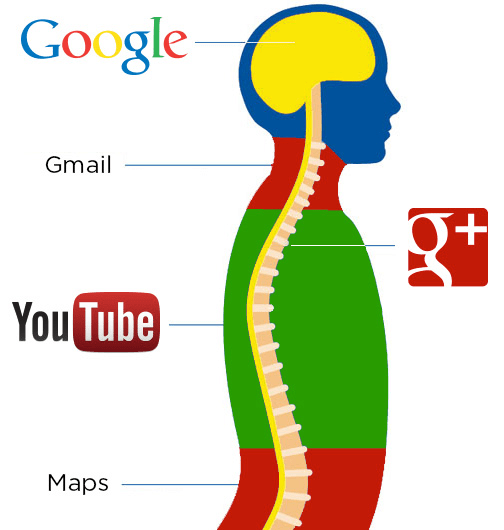
The forced integrations of the past would be walked back, like those in Gmail and YouTube, and teams would be reshuffled.
July: Hangouts breaks free
Perhaps one of the most notable changes was letting Hangouts go free. Hangouts was a compelling product – too important to require a tie to Google+. In July 2014, Hangouts began to work without a Google+ account, rolled out to businesses and got itself an SLA.
July: Google+ drops its real name rule and apologizes
While Google had started rolling back on the real name policy in January of 2012 by opening rules to include maiden names and select nicknames, it still displayed your real name alongside your chosen name. It was nowhere near what people wanted.
Now, Google straight up apologized for its decision around real names and hoped the change would bring users back. It did not. It was too late.
2015
May: Google Photos breaks free
Following Hangouts, Google realized that Google+’s photo-sharing features also deserved to become their own, standalone product.
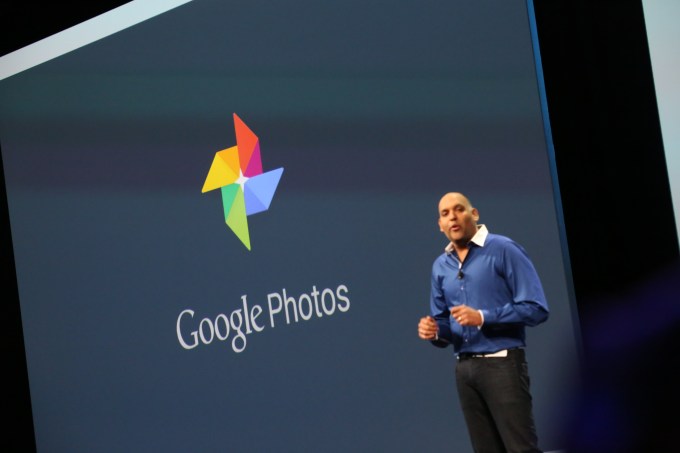
At Google I/O 2015, the company announced its Google Photos revamp. The new product took advantage of A.I. and machine learning capabilities that originated on Google+. This included allowing users to search photos for persons, places and things, as well as an update on Google+’s “auto awesome” feature, which turned into the more robust Google Photos Assistant.
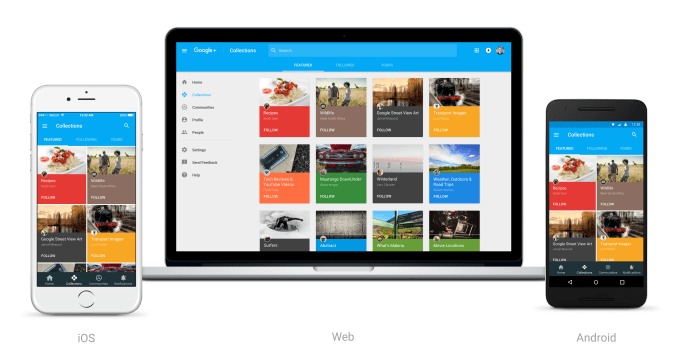
Bradley Horowitz, VP, Photos and Streams at Google and Product Director at Google, Luke Wroblewski, had teamed up to redesign Google+ around what Google’s data indicated was working: Communities and Collections. Essentially, the new Google+ was focused on users and their interests. It let people network around topics, but not necessarily their personal connections.
Horowitz explained at the time that Google had heard from users “that it doesn’t make sense for your Google+ profile to be your identity in all the other Google products you use,” and it was responding accordingly.
August: Hangouts on Air moved to YouTube Live
One of the social network’s last exclusive features, Hangouts on Air – a way to broadcast a Hangout – moved to YouTube Live in 2016, as well.
2017
Google+ went fairly quiet. The site was still there, but the communities were filling with spam. Community moderators said they couldn’t keep up. Google’s inattention to the problem was a signal in and of itself that the grand Google+ experiment may be coming to a close.
January: Classic design phased out
Google+ forced the change over to the new design first previewed in late 2015.
In January 2017, it no longer allowed users to switch back to the old look. It also took the time to highlight groups that were popular on Google+ to counteract the narrative that the site was “dead.” (Even though it was.)
August: Google+ removed share count from +1 button
The once ubiquitous “+1” button launched in spring 2012, was getting a revamp. It would no longer display the number of shares. Google said this was to make the button load more quickly. But it was really because the share counts were not worth touting anymore.
2018
October 2018: Google+ got its Cambridge Analytica moment
A security bug allowed third-party developers to access Google+ user profile data since 2015 until Google discovered it in March, but decided not to inform users. In total, 496,951 users’ full names, email addresses, birth dates, gender, profile photos, places lived, occupation and relationship status were potentially exposed. Google says it doesn’t have evidence the data was misused, but it decided to shut down the consumer-facing Google+ site anyway, given its lack of use.
Data misuse scandals like Cambridge Analytica have damaged Facebook and Twitter’s reputations, but Google+ wasn’t similarly impacted. After all, Google was no longer claiming Google+ be a social network. And, as its own data shows, the network that remained was largely abandoned.
But the company still had piles of user profile data on hand, which were put at risk. That may lead Google to face a similar fate as the more active social networks, in terms of being questioned by Congress or brought up in lawmakers’ discussions about regulations.
In hindsight, then, maybe it would have been better if Google had shut down Google+ years ago.
from Social – TechCrunch https://ift.tt/2Pn9AeU Looking back at Google+ Sarah Perez https://ift.tt/2OfHXYI
via IFTTT
Facebook is making a video camera. The company wants you to take it home, gaze into its single roving-yet-unblinking eye and speak private thoughts to your loved ones into its many-eared panel.
The thing is called Portal and it wants to live on your kitchen counter or in your living room or wherever else you’d like friends and family to remotely hang out with you. Portal adjusts to keep its subject in frame as they move around to enable casual at-home video chat. The device minimizes background noise to boost voice clarity. These tricks are neat but not revelatory.
Sounds useful, though. Everyone you know is on Facebook. Or they were anyway… things are a bit different now.
Facebook, champion of bad timing
As many users are looking for ways to compartmentalize or scale back their reliance on Facebook, the company has invited itself into the home. Portal is voice activated, listening for a cue-phrase (in this case “Hey Portal), and leverages Amazon’s Alexa voice commands as well. The problem is that plenty of users are already creeped out enough by Alexa’s always-listening functionality and habit of picking up snippets of conversation from the next room over. It may have the best social graph in the world, but in 2018 people are looking to use Facebook for less — not more.
Facebook reportedly planned to unveil Portal at F8 this year but held the product back due to the Cambridge Analytica scandal, among other scandals. The fact that the company released the devices on the tail end of a major data breach disclosure suggests that the company couldn’t really hold back the product longer without killing it altogether and didn’t see a break in the clouds coming any time soon. Facebook’s Portal is another way for Facebook to blaze a path that its users walk daily to connect to one another. Months after its original intended ship date, the timing still couldn’t be worse.
Over the last eight years Facebook insisted time and time again that it is not and never would be a hardware company. I remember sitting in the second row at a mysterious Menlo Park press event five years ago as reporters muttered that we might at last meet the mythological Facebook phone. Instead, Mark Zuckerberg introduced Graph Search.
It’s hard to overstate just how much better the market timing would have been back in 2013. For privacy advocates, the platform was already on notice, but most users still bobbed in and out of Facebook regularly without much thought. Friends who’d quit Facebook cold turkey were still anomalous. Soul-searching over social media’s inexorable impact on social behavior wasn’t quite casual conversation except among disillusioned tech reporters.
Trusting Facebook (or not)
Onion headline-worthy news timing aside, Facebook showed a glimmer of self awareness, promising that Portal was “built with privacy and security in mind.” It makes a few more promises:
“Facebook doesn’t listen to, view, or keep the contents of your Portal video calls. Your Portal conversations stay between you and the people you’re calling. In addition, video calls on Portal are encrypted, so your calls are always secure.”
“For added security, Smart Camera and Smart Sound use AI technology that runs locally on Portal, not on Facebook servers. Portal’s camera doesn’t use facial recognition and doesn’t identify who you are.”
“Like other voice-enabled devices, Portal only sends voice commands to Facebook servers after you say, “Hey Portal.” You can delete your Portal’s voice history in your Facebook Activity Log at any time.”
This stuff sounds okay, but it’s standard. And, like any Facebook product testing the waters before turning the ad hose on full-blast, it’s all subject to change. For example, Portal’s camera doesn’t identify who you are, but Facebook commands a powerful facial recognition engine and is known for blurring the boundaries between its major products, a habit that’s likely to worsen with some of the gatekeepers out of the way.
Facebook does not command a standard level of trust. To recover from recent lows, Facebook needs to establish an extraordinary level of trust with users. A fantastic level of trust. Instead, it’s charting new inroads into their lives.
Hardware is hard. Facebook isn’t a hardware maker and its handling of Oculus is the company’s only real trial with the challenges of making, marketing — and securing — something that isn’t a social app. In 2012, Zuckerberg declared that hardware has “always been the wrong strategy” for Facebook. Two years later, Facebook bought Oculus, but that was a bid to own the platform of the future after missing the boat on the early mobile boom — not a signal that Facebook wanted to be a hardware company.
Reminder: Facebook’s entire raison d’être is to extract personal data from its users. For intimate products — video chat, messaging, kitchen-friendly panopticons — it’s best to rely on companies with a business model that is not diametrically opposed to user privacy. Facebook isn’t the only one of those companies (um, hey Google) but Facebook’s products aren’t singular enough to be worth fooling yourself into a surfeit of trust.
Gut check
Right now, as consumers, we only have so much leverage. A small handful of giant tech companies — Facebook, Apple, Amazon, Google and Microsoft — make products that are ostensibly useful and we decide how useful they are and how much privacy we’re willing to trade to get them. That’s the deal and the deal sucks.
As a consumer it’s worth really sitting with that. Which companies do you trust the least? Why?
It stands to reason that if Facebook cannot reliably secure its flagship product — Facebook itself — then the company should not be trusted with experimental forays into wildly different products, i.e. physical ones. Securing a software platform that serves 2.23 billion users is an extremely challenging task, and adding hardware to that equation just complicates existing concerns.
You don’t have to know the technical ins and outs of security to make secure choices. Trust is leverage — demand that it be earned. If a product doesn’t pass the smell test, trust that feeling. Throw it out. Better yet, don’t invite it onto your kitchen counter to begin with.
If we can’t trust Facebook to safely help us login to websites or share news stories, why should we trust Facebook to move an always-on counter-mounted speaker capable of collecting incredibly sensitive data into our homes? Tl; dr: We shouldn’t! Of course we shouldn’t. But you knew that.
from Social – TechCrunch https://ift.tt/eA8V8J Facebook, are you kidding? Taylor Hatmaker https://ift.tt/2pJkuAc
via IFTTT
Data is valuable — if you know how to access it and reap the insights from it. That’s where Machinify comes in. The artificial intelligence company just raised a $10 million Series A round led by Battery Ventures with participation from GV and Matrix Partners.
“Our core notion is that today, enterprises are collecting a ton of data,” Machinify founder and CEO Prasanna Ganesan told TechCrunch. “But if you look at how many of them are successful in turning it into smarter decision-making to drive efficiency, very few companies are succeeding.”
With Machinify, enterprise customers feed the system raw data, specify what they’re trying to optimize for — whether that be revenue or some other goal — and then the machine figures out what to do from there. Based on past decisions, the machine can figure out the right thing to do, Ganesan said.
A good example of how companies use Machinify is in the healthcare space, where businesses are using the tool to increase the accuracy and speed with which they process claims. By doing so, these companies have been able to increase revenue and reduce costs.
“Machinify is laser-focused on the critical operational issues created by the deployment of what we often call Software 2.0 within enterprises,” GV general partner Adam Ghoborah said in a statement. “Software 2.0 is software that is not written by humans like traditional software but is dynamically driven by AI models and large enterprise datasets. Software 2.0 requires a completely different approach, and we believe that the Machinify platform holds the key to unlocking its value.”
https://ift.tt/eA8V8J Machinify raises $10 million to help businesses use AI to monetize data https://ift.tt/2CvKE27




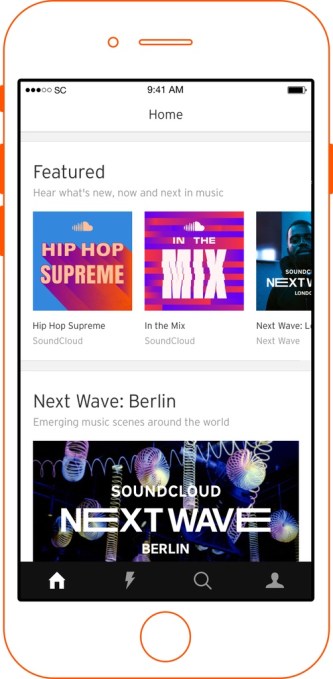 Beyond payouts, Premier members can post new tracks instantly without having to wait to be discoverable or monetizable, they’ll get real-time feedback from fans, and extra discovery opportunities from SoundCloud. The company hopes monetization will lure more creators to join the 20 million on the platform, get them to promote their presence to drive listens, and imbue the site with exclusive artist-uploaded content that attracts listeners.




 Launched in November 2017 — and a

 It had



 Posts
Posts


