l
l
blogger better. Powered by Blogger.

Search

Labels

blogger better

Followers

Blog Archive

Total Pageviews

Labels

Download

Blogroll

Featured 1

Curabitur et lectus vitae purus tincidunt laoreet sit amet ac ipsum. Proin tincidunt mattis nisi a scelerisque. Aliquam placerat dapibus eros non ullamcorper. Integer interdum ullamcorper venenatis. Pellentesque habitant morbi tristique senectus et netus et malesuada fames ac turpis egestas.

Featured 2

Curabitur et lectus vitae purus tincidunt laoreet sit amet ac ipsum. Proin tincidunt mattis nisi a scelerisque. Aliquam placerat dapibus eros non ullamcorper. Integer interdum ullamcorper venenatis. Pellentesque habitant morbi tristique senectus et netus et malesuada fames ac turpis egestas.

Featured 3

Curabitur et lectus vitae purus tincidunt laoreet sit amet ac ipsum. Proin tincidunt mattis nisi a scelerisque. Aliquam placerat dapibus eros non ullamcorper. Integer interdum ullamcorper venenatis. Pellentesque habitant morbi tristique senectus et netus et malesuada fames ac turpis egestas.

Featured 4

Curabitur et lectus vitae purus tincidunt laoreet sit amet ac ipsum. Proin tincidunt mattis nisi a scelerisque. Aliquam placerat dapibus eros non ullamcorper. Integer interdum ullamcorper venenatis. Pellentesque habitant morbi tristique senectus et netus et malesuada fames ac turpis egestas.

Featured 5

Curabitur et lectus vitae purus tincidunt laoreet sit amet ac ipsum. Proin tincidunt mattis nisi a scelerisque. Aliquam placerat dapibus eros non ullamcorper. Integer interdum ullamcorper venenatis. Pellentesque habitant morbi tristique senectus et netus et malesuada fames ac turpis egestas.

Friday, April 24, 2020

My experience with the CARES Act was frustrating, confusing and unfair

As a small business owner, I was excited to learn about the $2.2 trillion Coronavirus Aid, Relief, and Economic Security Act that offers low-interest loans to firms impacted by the COVID-19 pandemic. However, as I read through the details and began to apply, it became clear that this legislation — while well-intentioned — may not be enough to help many SMBs and startups.

Here’s a quick recap of my experience.

Emergency Economic Injury Grants and Economic Injury Disaster Loans

First and foremost: You need to act swiftly. Emergency Economic Injury Grant and Economic Injury Disaster Loan programs included in the CARES Act function on a first-come, first-served basis, and are funded from a limited pool of resources.

I began my company’s application process by submitting our EIDL and EEIG applications through the SBA website. This was easy, if tedious. It took about two hours to complete the necessary online forms and about two seconds to click the EEIG checkbox. Submission was seamless, but I haven’t received any further communication from the SBA since completing my application, which is a bit confusing — EEIG funds are supposed to be dispersed within 3-5 days of the submission date.

However, I know there’s been a huge volume of submissions recently and this must be exceptionally difficult to handle. I look forward to any email correspondence or updates from the SBA that might give me — and other applicants — an updated estimate of the expected dispersal timeline.


https://ift.tt/eA8V8J My experience with the CARES Act was frustrating, confusing and unfair https://ift.tt/2VWmO6L

Facebook to launch ‘virtual dating’ over Messenger for Facebook Dating users

{rss:content:encoded} Facebook to launch ‘virtual dating’ over Messenger for Facebook Dating users https://ift.tt/2KwqYgr https://ift.tt/3aCsoAB April 24, 2020 at 08:15PM

Facebook will soon allow users to go on “virtual dates,” the company announced today. The social network is planning to introduce a new video calling feature that will allow users of its Facebook Dating service to connect and video call over Messenger, as an alternative to going on a real-world date. This sort of feature is much in demand amid the coronavirus pandemic, which has forced people to stay home and practice social distancing.

But for online dating apps which aim to connect people in the real world, it’s a significant challenge for their business.

For the time being, government lockdowns have limited the places where online daters could meet up for their first date. Restaurants, malls, bars, and other retail establishments are closed across regions impacted by the coronavirus outbreak. But even when those restrictions life, many online dating app users will be wary of meeting up with strangers for those first-time, getting-to-know-you dates. Video chat offers a safer option to explore potential connections with their matches.

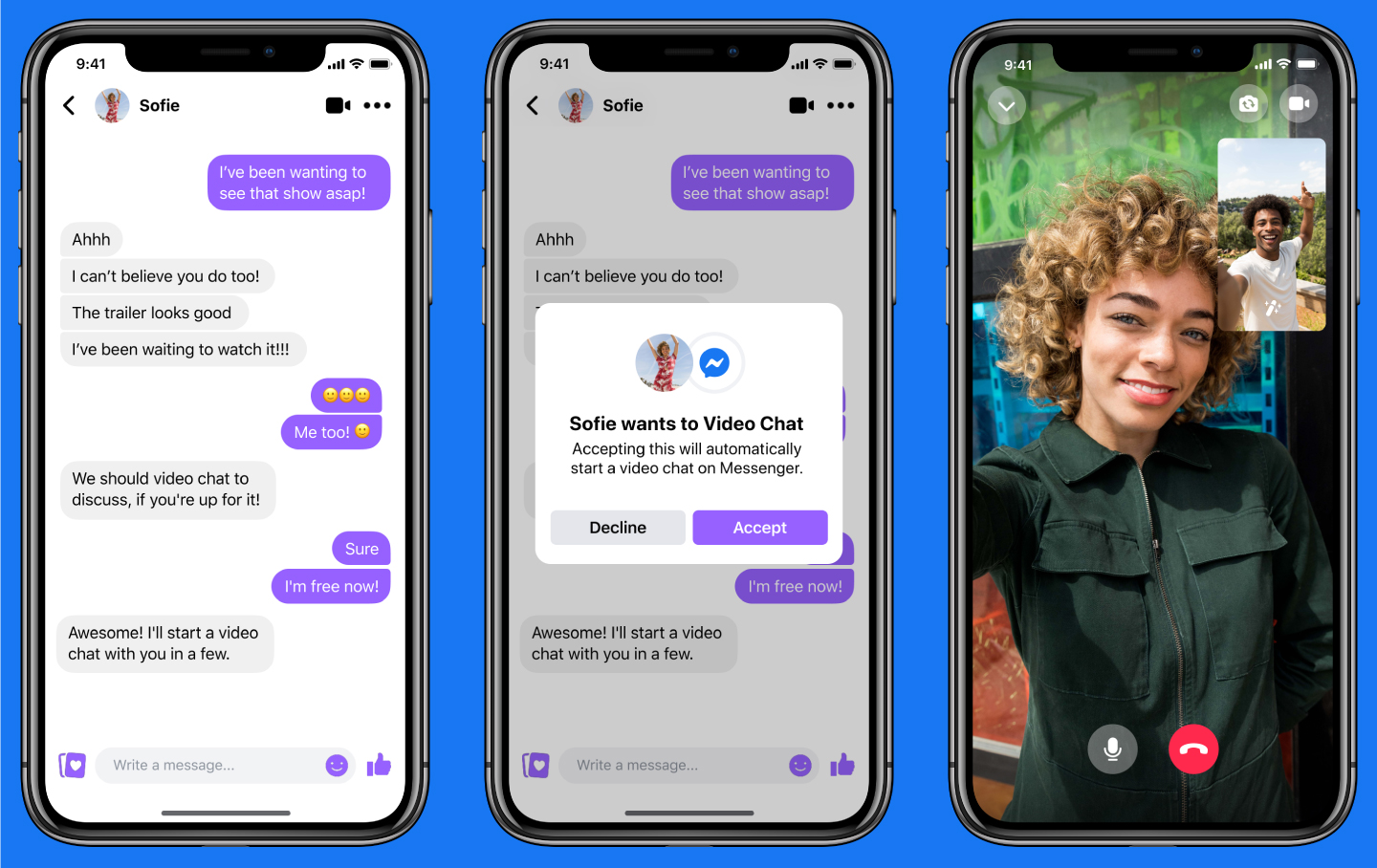
When the new Facebook Dating feature goes live, online daters will be able to invite a match to a virtual date. The recipient can either choose to accept or decline the offer via a pop-up that appears.

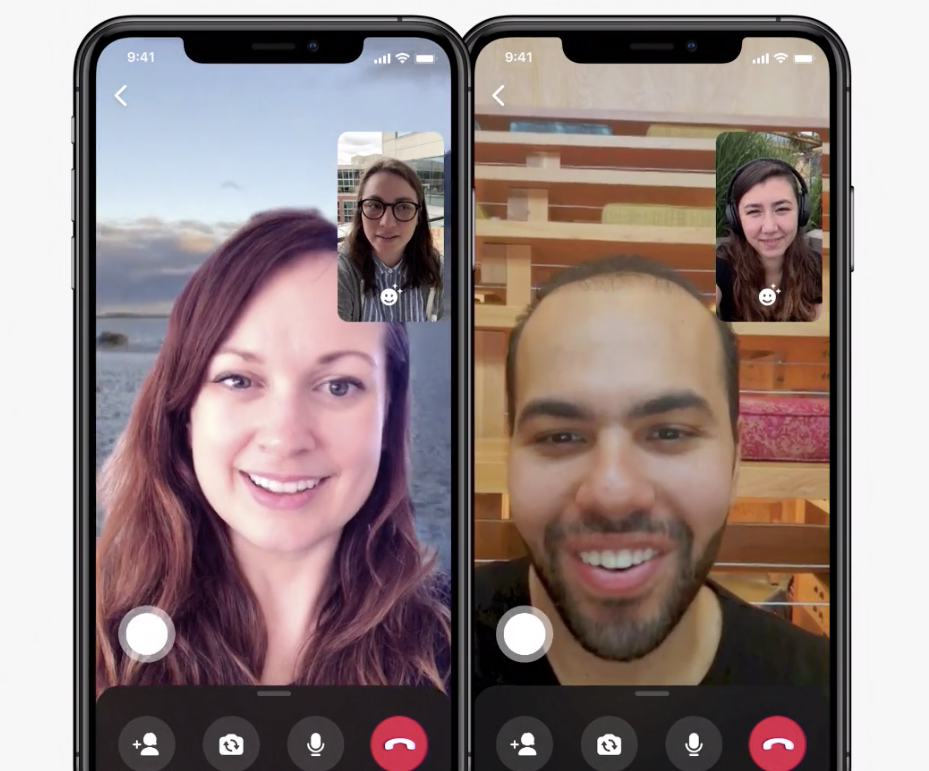
If they accept, the Facebook Dating users will be connected in a video chat powered by Facebook Messenger in order to get to know one another.

As the feature is still being developed, Facebook declined to share more specific details about how it will work, in terms of privacy and security features.

Facebook is not the first online dating service to pivot to video as a result of the pandemic. But many rival dating apps were adopting video features well before the coronavirus struck, as well.

Bumble, for example, has offered voice and video calling in its app for roughly a year. The feature there works like a normal phone call or Apple’s FaceTime. However, users don’t have to share their phone number or other private information, like an email address, which makes it safer.

The company says use of the feature has spiked over the last two months as users embrace virtual dating.

Meanwhile, Match Group has more recently rolled out video across a number of the dating apps it operates.

This month, the Match app added video chat that allows users who have already matched to connect over video calls. Match-owned Hinge also rolled out a “Dating from Home” prompt and is preparing its own live video date feature, as well, Match says. Plenty of Fish (PoF), another Match property, launched livestreaming in March, giving singles a new way to hang out with friends and potential matches.

Match Group’s flagship app Tinder has not yet embraced live video dates, but still offers a way for users to add video to their profiles. The company couldn’t comment on whether or not video dating was in the works for Tinder, but in the post-COVID era, it would be almost bizarre to not offer such feature.

Other dating apps have also launched video dating, including eHarmony and a number of lesser-known dating apps hoping to now gain traction for their video dating concepts.

Facebook says the feature will roll out in the months ahead and will be available everywhere Facebook Dating is available.

Facebook launches drop-in video chat Rooms to rival Houseparty

{rss:content:encoded} Facebook launches drop-in video chat Rooms to rival Houseparty https://ift.tt/3cLA84C https://ift.tt/3aDHmWW April 24, 2020 at 08:15PM

Facebook is co-opting some of the top video chat innovations like Zoom’s gallery view for large groups and Houseparty’s spontaneous hangouts for a new feature called Rooms. It could usher in a new era of unplanned togetherness via video.

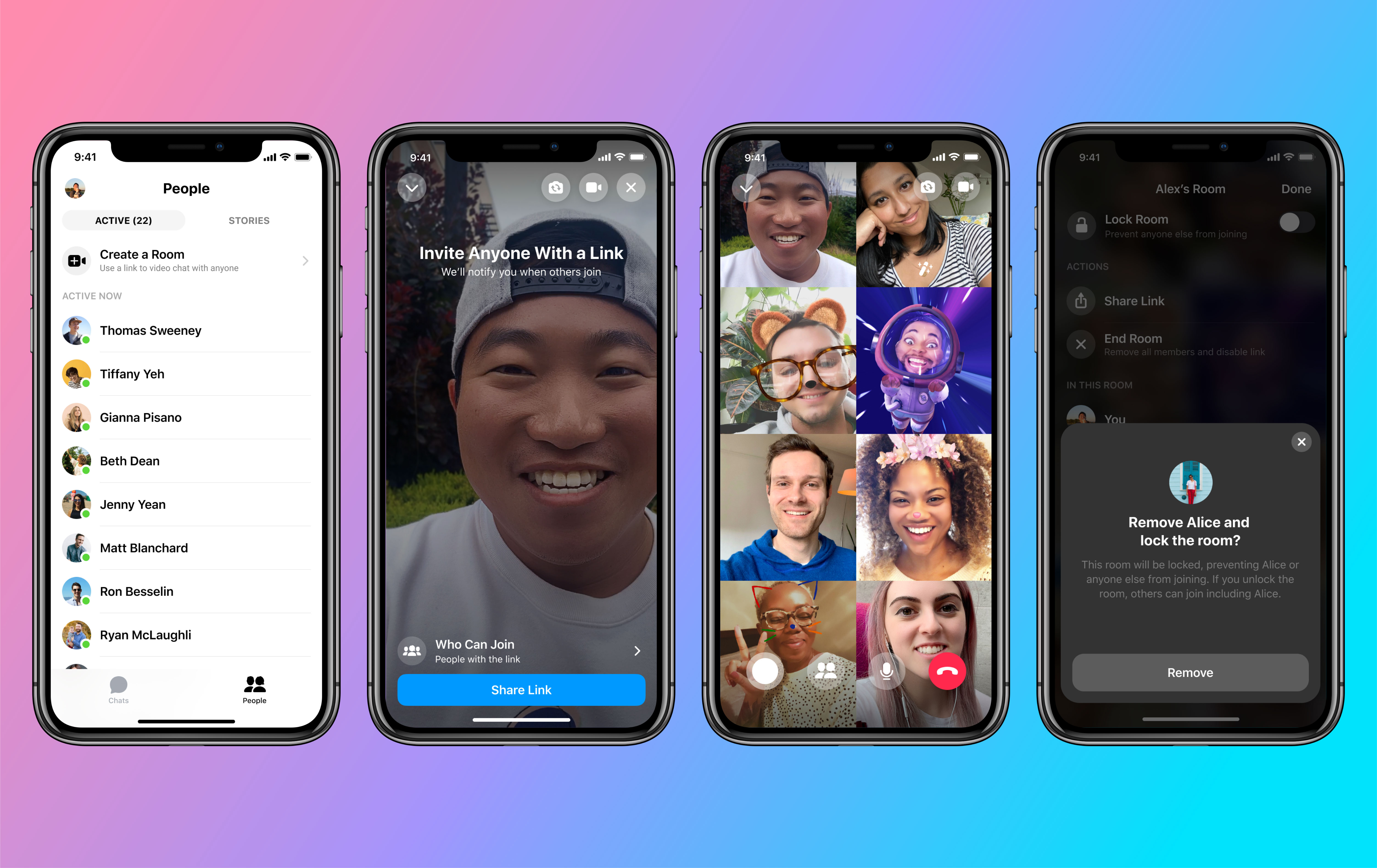
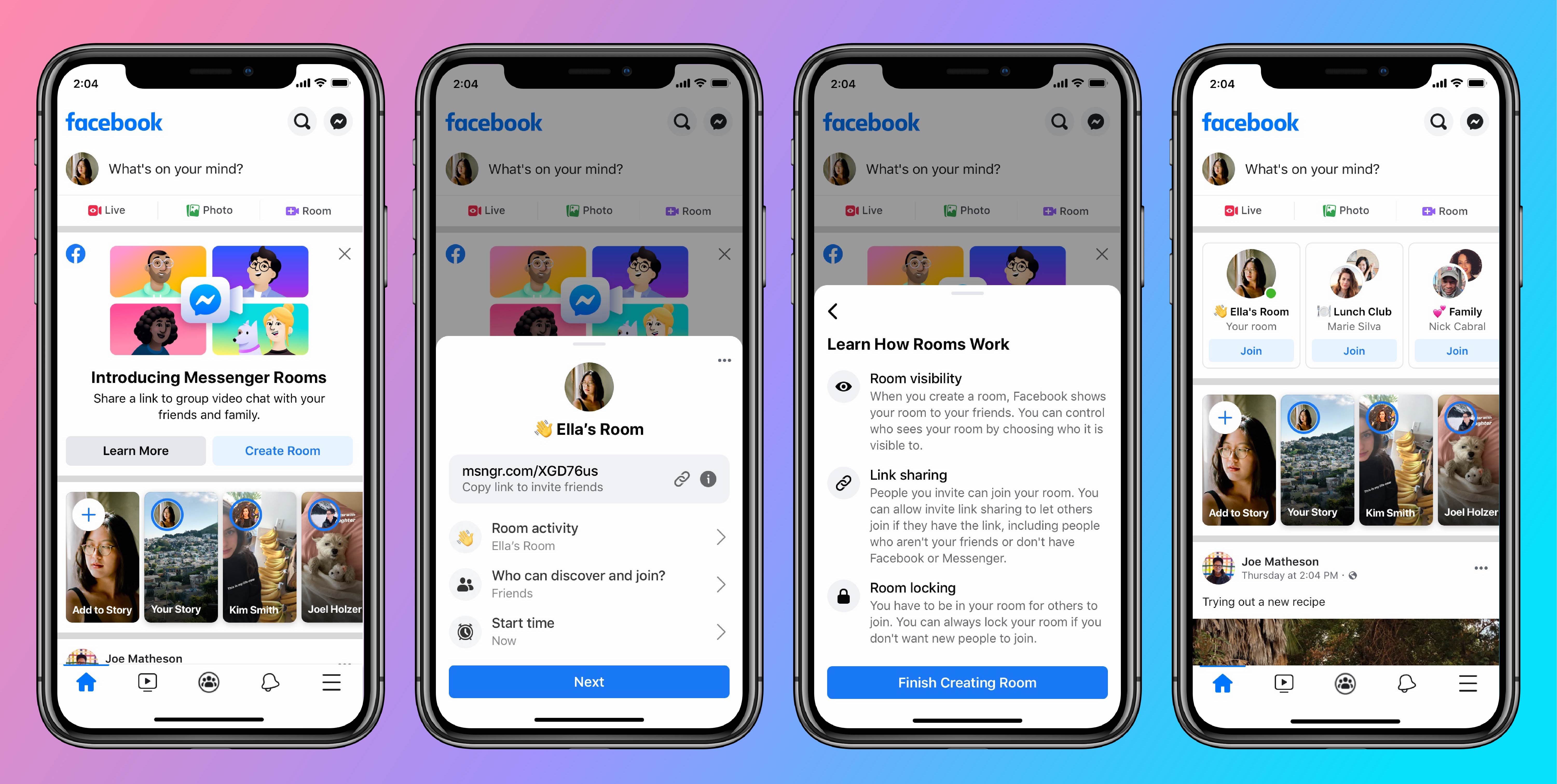
Launching today on mobile and desktop, you can start a video chat Room that friends can discover via a new section above the News Feed or notifications Facebook will automatically send to your closest pals. You can also just invite specific friends, or share a link anyone can use to join your Room.

For now, up to 8 people can join, but that limit will rise to 50 within weeks, making it a more legitimate alternative to Zoom for big happy hours and such. And more importantly, users will soon be able to create and join Rooms through Instagram, WhatsApp, and Portal, plus join them from the web without an account, making this Facebook’s first truly interoperable product.

“People just want to spend more time together” Facebook’s head of Messenger Stan Chudnovsky tells me. One-on-one and group video calling was already growing, but “Now in the time of COVID, the whole thing is exploding. We already had a plan to do a bunch of stuff here [so people could] hang out on video any time they want, but we accelerated our plans.” There’s no plans for ads or other direct monetization of Rooms, but the feature could keep Facebook’s products central to people’s lives.

Facebook Embraces Video

The launch of Rooms comes alongside a slew other video-related updates designed to shore up Facebook’s deficiency in many-to-many communication. It already owns the many-to-one feeds and has emerged as a leader in one-to-many livestreaming, but “the middle piece needed way more investment” Chudnovsky says.

Here’s a rundown of the other announcements and what they mean:

  • Virtual And 360 Backgrounds with mood lighting – Facebook will soon launc the ability to choose a virtual background to cover up what’s behind you on a video call, including 360 backgrounds that look different as you move around, plus mood lighting to make you look better on camera

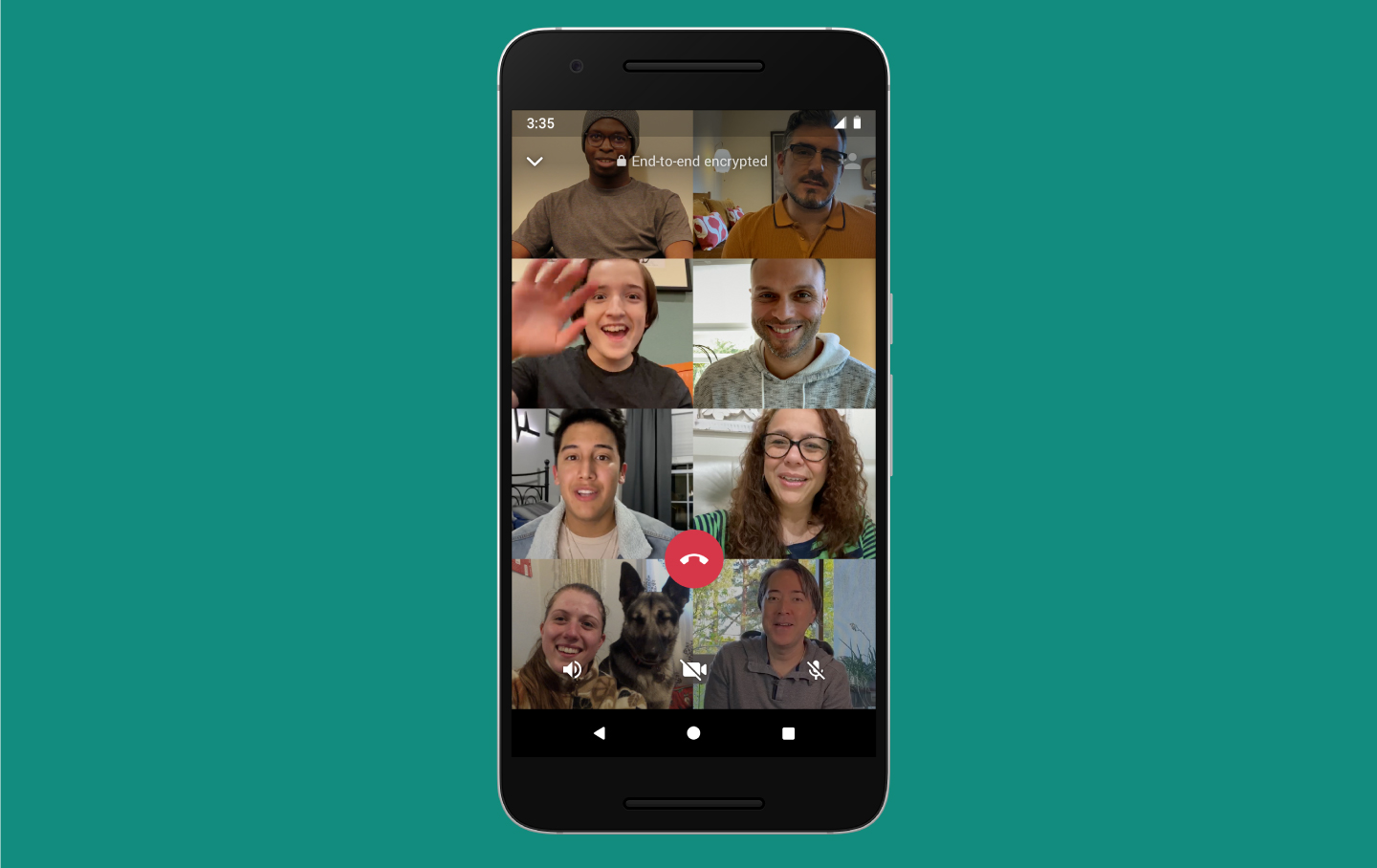
  • WhatsApp expands group calls from four to eight max participants – Encompassing larger families and friend groups makes WhatsApp a more viable competitor to Zoom

  • Facebook Live With returns – It’s tough to be the center of attention for long periods, so being able to bring a guest on screen during Live calls keeps them interesting and low pressure
  • Donate button on live videos – This makes it much easier for musicians, activists, and normal people to raise money for causes during the coronavirus crisis
  • Live via audio only – With more musicians bringing their tours to Facebook Live, now you can listen while still going about your day when you can’t watch too or want to conserve data, and you can use a toll-free number to dial in to some Pages’ videos
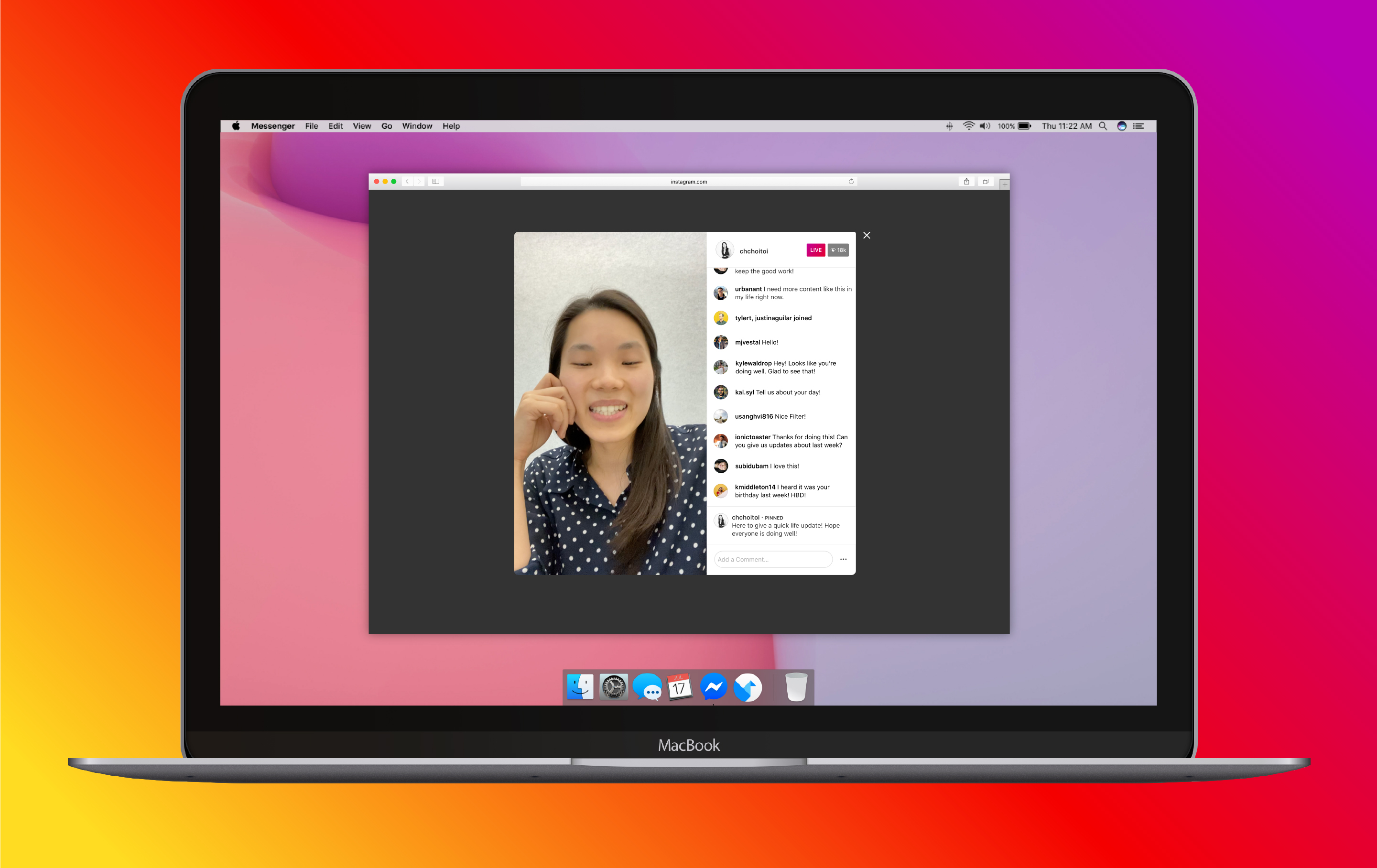
  • Instagram Live on web – You can now watch Live videos and comment from desktop so you can multi-task during longer streams

  • Live on IGTV – Long live videos won’t have to disappear since they can now be saved to IGTV, encouraging higher quality Instagram Lives meant to last
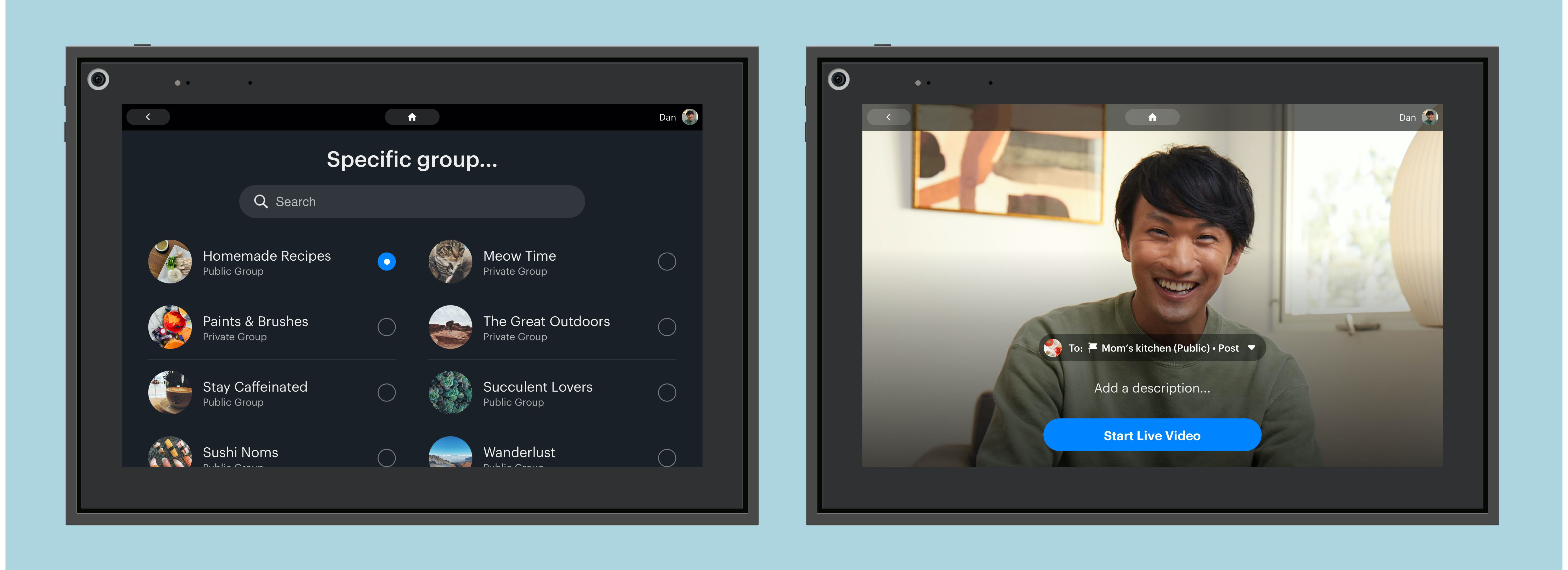
  • Portal Live – You’ll now be able to go Live to Pages and Groups from Portal devices so you can move around while streaming

  • Facebook Dating Video Chat – Rather than going on a date where you have no chemistry, you’ll be able to video chat with matches on Facebook Dating to get a feel for someone first.

The Uncopyable Copier

Facebook has been quietly working on Rooms since at least 2017, exploring how to make group chats discoverable. It tried a standalone app for group video chat discovery called Bonfire that year. In fact, Facebook launched a standalone app called Rooms back in 2014 for anonymous forums. The genius of this launch is how it combines three of Facebook’s biggest strengths to build a product that copies others but is hard to copy itself.

The ubiquity of its messaging apps and web compatability make Rooms highly accessible, without the friction of having to download a new app.

The frequency of visits to its feeds and inboxes where Rooms can be found by the family of apps’ 2.5 billion users plus Facebook’s willingness to bet big by sticking Rooms atop our screen like it did with Stories could unlock a new era of spontaneous, serendipitous socializing.

The social graph we’ve developed with great breadth across Facebook’s apps plus the depth of its understanding about who we care about most allow it to reach enough concurrent users to make Rooms fun by intelligently ranking which we see and who gets notifications to join rather than spamming your whole phone book.

No other app has all of these qualities. Zoom doesn’t know who you care about. Houseparty is growing but is far from ubiquitous. Messaging competitors don’t have the same discovery surfaces.

Facebook knows the real engagement on mobile comes from messaging. It just needed a way to make us message more than our one-on-one threads and asynchronous group chats demanded. Rooms makes video calls something you can passively discover and join rather having to actively initiate or be explicitly pulled into by a friend. That could significantly increase how often and long we use Facebook without the deleterious impacts of zombie-like asocial feed scrolling.

Facebook to launch ‘virtual dating’ over Messenger for Facebook Dating users

Facebook will soon allow users to go on “virtual dates,” the company announced today. The social network is planning to introduce a new video calling feature that will allow users of its Facebook Dating service to connect and video call over Messenger, as an alternative to going on a real-world date. This sort of feature is much in demand amid the coronavirus pandemic, which has forced people to stay home and practice social distancing.

But for online dating apps which aim to connect people in the real world, it’s a significant challenge for their business.

For the time being, government lockdowns have limited the places where online daters could meet up for their first date. Restaurants, malls, bars, and other retail establishments are closed across regions impacted by the coronavirus outbreak. But even when those restrictions life, many online dating app users will be wary of meeting up with strangers for those first-time, getting-to-know-you dates. Video chat offers a safer option to explore potential connections with their matches.

When the new Facebook Dating feature goes live, online daters will be able to invite a match to a virtual date. The recipient can either choose to accept or decline the offer via a pop-up that appears.

If they accept, the Facebook Dating users will be connected in a video chat powered by Facebook Messenger in order to get to know one another.

As the feature is still being developed, Facebook declined to share more specific details about how it will work, in terms of privacy and security features.

Facebook is not the first online dating service to pivot to video as a result of the pandemic. But many rival dating apps were adopting video features well before the coronavirus struck, as well.

Bumble, for example, has offered voice and video calling in its app for roughly a year. The feature there works like a normal phone call or Apple’s FaceTime. However, users don’t have to share their phone number or other private information, like an email address, which makes it safer.

The company says use of the feature has spiked over the last two months as users embrace virtual dating.

Meanwhile, Match Group has more recently rolled out video across a number of the dating apps it operates.

This month, the Match app added video chat that allows users who have already matched to connect over video calls. Match-owned Hinge also rolled out a “Dating from Home” prompt and is preparing its own live video date feature, as well, Match says. Plenty of Fish (PoF), another Match property, launched livestreaming in March, giving singles a new way to hang out with friends and potential matches.

Match Group’s flagship app Tinder has not yet embraced live video dates, but still offers a way for users to add video to their profiles. The company couldn’t comment on whether or not video dating was in the works for Tinder, but in the post-COVID era, it would be almost bizarre to not offer such feature.

Other dating apps have also launched video dating, including eHarmony and a number of lesser-known dating apps hoping to now gain traction for their video dating concepts.

Facebook says the feature will roll out in the months ahead and will be available everywhere Facebook Dating is available.


from Social – TechCrunch https://ift.tt/3aCsoAB Facebook to launch ‘virtual dating’ over Messenger for Facebook Dating users Sarah Perez https://ift.tt/2KwqYgr
via IFTTT

Facebook launches drop-in video chat Rooms to rival Houseparty

Facebook is co-opting some of the top video chat innovations like Zoom’s gallery view for large groups and Houseparty’s spontaneous hangouts for a new feature called Rooms. It could usher in a new era of unplanned togetherness via video.

Launching today on mobile and desktop, you can start a video chat Room that friends can discover via a new section above the News Feed or notifications Facebook will automatically send to your closest pals. You can also just invite specific friends, or share a link anyone can use to join your Room.

For now, up to 8 people can join, but that limit will rise to 50 within weeks, making it a more legitimate alternative to Zoom for big happy hours and such. And more importantly, users will soon be able to create and join Rooms through Instagram, WhatsApp, and Portal, plus join them from the web without an account, making this Facebook’s first truly interoperable product.

“People just want to spend more time together” Facebook’s head of Messenger Stan Chudnovsky tells me. One-on-one and group video calling was already growing, but “Now in the time of COVID, the whole thing is exploding. We already had a plan to do a bunch of stuff here [so people could] hang out on video any time they want, but we accelerated our plans.” There’s no plans for ads or other direct monetization of Rooms, but the feature could keep Facebook’s products central to people’s lives.

Facebook Embraces Video

The launch of Rooms comes alongside a slew other video-related updates designed to shore up Facebook’s deficiency in many-to-many communication. It already owns the many-to-one feeds and has emerged as a leader in one-to-many livestreaming, but “the middle piece needed way more investment” Chudnovsky says.

Here’s a rundown of the other announcements and what they mean:

  • WhatsApp expands group calls from four to eight max participants – Encompassing larger families and friend groups makes WhatsApp a more viable competitor to Zoom

  • Facebook Live With returns – It’s tough to be the center of attention for long periods, so being able to bring a guest on screen during Live calls keeps them interesting and low pressure
  • Donate button on live videos – This makes it much easier for musicians, activists, and normal people to raise money for causes during the coronavirus crisis
  • Live via audio only – With more musicians bringing their tours to Facebook Live, now you can listen while still going about your day when you can’t watch too or want to conserve data, and you can use a toll-free number to dial in to some Pages’ videos
  • Instagram Live on web – You can now watch Live videos and comment from desktop so you can multi-task during longer streams

  • Live on IGTV – Long live videos won’t have to disappear since they can now be saved to IGTV, encouraging higher quality Instagram Lives meant to last
  • Portal Live – You’ll now be able to go Live to Pages and Groups from Portal devices so you can move around while streaming

  • Facebook Dating Video Chat – Rather than going on a date where you have no chemistry, you’ll be able to video chat with matches on Facebook Dating to get a feel for someone first.

The Uncopyable Copier

The genius of this launch is how it combines three of Facebook’s biggest strengths to build a product that copies others but is hard to copy itself.

The ubiquity of its messaging apps and web compatability make Rooms highly accessible, without the friction of having to download a new app.

The frequency of visits to its feeds and inboxes where Rooms can be found by the family of apps’ 2.5 billion users plus Facebook’s willingness to bet big by sticking Rooms atop our screen like it did with Stories could unlock a new era of spontaneous, serendipitous socializing.

The social graph we’ve developed with great breadth across Facebook’s apps plus the depth of its understanding about who we care about most allow it to reach enough concurrent users to make Rooms fun by intelligently ranking which we see and who gets notifications to join rather than spamming your whole phone book.

No other app has all of these qualities. Zoom doesn’t know who you care about. Houseparty is growing but is far from ubiquitous. Messaging competitors don’t have the same discovery surfaces.

Facebook knows the real engagement on mobile comes from messaging. It just needed a way to make us message more than our one-on-one threads and asynchronous group chats demanded. Rooms makes video calls something you can passively discover and join rather having to actively initiate or be explicitly pulled into by a friend. That could significantly increase how often and long we use Facebook without the deleterious impacts of zombie-like asocial feed scrolling.


from Social – TechCrunch https://ift.tt/3aDHmWW Facebook launches drop-in video chat Rooms to rival Houseparty Josh Constine https://ift.tt/3cLA84C
via IFTTT

Coronavirus could push consumers away from influencers and toward streaming TV

As the nation struggles with a pandemic and economic uncertainty, fundamental shifts in consumer habits are leading marketers to rethink existing strategies and budgets allocated to influencers and streaming TV.

These significant shifts are nothing new; just as the dot-com bubble reduced landline penetration and boosted mobile phone adoption, the last recession pushed traditional ad spend to digital. It was an option before, but the recession accelerated the trend to targeting select audiences on social media platforms, giving rise to influencers.

Today, social media influencers are so ubiquitous, they risk becoming meaningless.

Prior to the onset of coronavirus, we saw the influencer trend diminishing while the streaming TV trend became more prominent. Today, streaming is still trending up and influencers have actually seen increased levels of engagement, but they face credibility issues, which could lead to a reduction in perceived value to brands.

Streaming has similar, if not more, targeting capabilities as social media, but now it has the eyeballs — the captive audience of quarantined Americans — up 20% this March, according to Nielsen. Marketers on a tight budget will be forced to reevaluate their relationships with influencers as they seek to increase ad spend on streaming TV services.

The evolving realms of influencers


from Social – TechCrunch https://ift.tt/eA8V8J Coronavirus could push consumers away from influencers and toward streaming TV Walter Thompson https://ift.tt/2KA4wCU
via IFTTT

Daily Crunch: AT&T CEO steps down

{rss:content:encoded} Daily Crunch: AT&T CEO steps down https://ift.tt/2Y4TdL4 https://ift.tt/2CoAoqu April 24, 2020 at 06:10PM

AT&T is getting a new boss, the first piece of Apple and Google’s COVID-19 contact tracing program should be available soon and Snap is looking to raise more debt.

Here’s your Daily Crunch for April 24, 2020.

1. Randall Stephenson to step down as AT&T chief, succeeded by COO John Stankey

A big changing of the guard is underway at one of the world’s biggest names in telecoms and media. The change is effective on June 1, and while Stephenson is retiring, he will stay on as executive chairman of AT&T until January 2021.

Stankey has held other roles at AT&T, including CEO of WarnerMedia and CEO of the AT&T Entertainment Group. His promotion suggests a continuing emphasis on the media side of the business.

2. First version of Apple and Google’s contact tracing API should be available to developers next week

The first version of Apple and Google’s jointly developed, cross-platform contact tracing API should be available to developers as of next week, according to a conversation between Apple CEO Tim Cook and European Commissioner for internal market Thierry Breton.

3. Snap looks to load up on cash in sizable debt offering

Snap’s Q1 earnings impressed investors but the company is still losing plenty of cash and it’s clear that the full impact of the digital ad market’s downturn won’t be seen until the company’s Q2 earnings. The company is now looking to raise looking to raise $750 million.

4. Google ditched tipping feature for donating money to sites

Leaked images obtained by TechCrunch reveal that Google considered and designed a feature that would let people donate money to websites to help support news publishers, bloggers and musicians. But the company ultimately scrapped the idea.

5. Seven VCs look into the future of fintech

Although it looks like the COVID-19 pandemic has clipped the tails of many unicorns, this era won’t last forever. Investors expect the domestic and global economy to recover, perhaps as soon as late 2020 or early 2021. (Extra Crunch membership required.)

6. House passes COVID-19 relief package to replenish PPP loan funding

The interim legislation will allocate $310 billion to replenish the SBA’s Paycheck Protection Program (PPP), $75 billion for hospitals and $25 billion for COVID-19 testing. President Trump previously expressed his approval of the bill, as well as his intention to sign it and make the funds available as quickly as possible.

7. After 160,000 accounts are compromised, Nintendo shuts down NNID logins

Nintendo confirmed earlier reports of account breaches dating back over the past few weeks. The gaming giant issued an update (via Nintendo Japan) noting that around 160,000 Nintendo Accounts were impacted, with accounts being used to purchase digital items without the owner’s consent.

The Daily Crunch is TechCrunch’s roundup of our biggest and most important stories. If you’d like to get this delivered to your inbox every day at around 9am Pacific, you can subscribe here.

The good, better and best of cloud and SaaS growth

Hello and welcome back to our regular morning look at private companies, public markets and the gray space in between.

The crew at Bessemer released their new, yearly cloud report this week. It’s a useful lens into how venture capitalists are thinking about cloud and SaaS startup performance metrics. Bessemer’s cloud and SaaS exits include Twilio, Shopify, PagerDuty, Box, and a few others, so they’re worth listening to at least a little on the topic.

I bring all this up as I finally got the chance to read the 2020 report (here, if you want to dig through it yourself, and here’s the 2019 version for reference). I’m going to chat with Bessemer’s Mary D’Onofrio about some numbers from the presentation next week, but this morning I wanted to discuss the report’s SaaS and cloud startup scorecard.

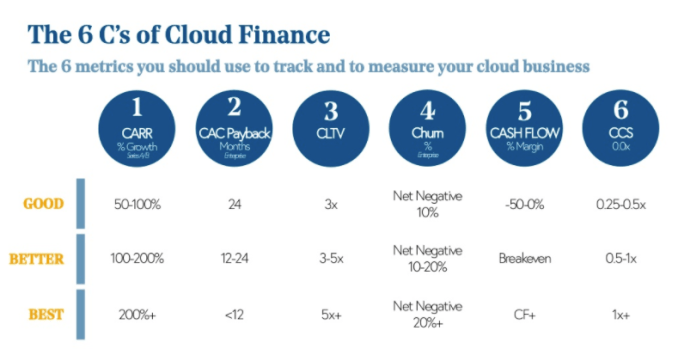
Bessemer likes to invent metrics, something that I approve of. In 2019, the firm debuted a G.R.I.T (“ARR growth, retention, years of runway, and efficiency”) score that was a bit complicated. This year the report included a six metric rundown of “good, better, and best” startup cloud and SaaS startup performance.

Let’s chew over the set of SaaS metrics that investors, before COVID-19, were looking for. Next week we’ll find out if Bessemer has changed any of them in light of the new economic collapse cum malaise.

Grow this fast, lose this much

TechCrunch has a general rule against screenshots of text, but today there’s no way around it. Here’s the pertinent summary slide from the Bessemer report:


https://ift.tt/3eMnRyT The good, better and best of cloud and SaaS growth https://ift.tt/2KzB8g4

Extra Crunch Live: Join Mark Cuban for a Q&A on April 30 at 11am ET/8am PT

Billionaire. Entrepreneur. Investor. Shark.

Mark Cuban is one of tech’s best-known entrepreneurs, so we are amped to have him join us for an upcoming Extra Crunch Live, our virtual speaker series that connects the brightest minds in tech directly with our Extra Crunch audience.

Starting out as a salesman for one of Dallas’s earliest PC software resellers, Cuban was fired after he ignored his boss’ orders and asked another employee to cover for him while he picked up a check for a $10,000 sale. He went on to create his own software reseller/system integrator called MicroSolutions, which he sold in 1990 for $6 million to CompuServe, then an H&R Block subsidiary. That marked the beginning of a storied (and, at times, tumultuous) career as an entrepreneur and investor.

Cuban went on to co-found Audionet (later renamed Broadcast.com), which he eventually sold to Yahoo! for $5.7 billion in 1999; that same year, he made history when he purchased a Gulfstream V for $40 million in the largest single e-commerce transaction ever conducted.

The man’s brain is always 20 years in the future.

The Dallas Mavericks majority owner and “Shark Tank” judge has invested in startups for two decades. His portfolio includes Apptopia, The Zebra, Node, UBeam and many other startups; according to Crunchbase, Cuban has made more than 100 investments since 2004.

We’ll ask how he’s advising his portfolio companies in the midst of a crisis and will get his predictions on the economic outlook over the next 12 to 24 months. We’re also interested to hear how Cuban thinks technology may or may not solve for the current situation around live sports, which have effectively been halted by the pandemic.

And if we have time, we’ll ask a bit about workers, equitable capitalism and his thoughts regarding the gig economy in these turbulent times. Given Cuban’s straightforward speaking style, we’re expecting a candid conversation, and as we’re snagging him in unprecedented times, our chat may help you understand how at least one leading capitalist views the new world.

Hit the jump to add the call details to your calendar via the AddEvent link and access the Zoom information directly. We’ll take audience questions toward the end, so weigh in. If you aren’t an Extra Crunch member yet, join here for just a few bucks to start.

Cuban joins a schedule packed with all-stars, including Charles Hudson, Mitch and Freada Kapor, Hunter Walk, Roelof Botha and Kirsten Green. And if you missed it, check out our Extra Crunch Live episode with Aileen Lee and Ted Wang.

Details

Here’s the information you’ll need:


https://ift.tt/eA8V8J Extra Crunch Live: Join Mark Cuban for a Q&A on April 30 at 11am ET/8am PT https://ift.tt/2Y3b0CA

Indian smartphone market grew by 4% in Q1, but projected to decline by 10% this year

{rss:content:encoded} Indian smartphone market grew by 4% in Q1, but projected to decline by 10% this year https://ift.tt/3cKXYxz https://ift.tt/354pDqp April 24, 2020 at 04:23PM

India has emerged as one of the fastest growing smartphone markets in the last decade, reporting growth each quarter even as handset shipments slowed or declined elsewhere globally. But the world’s second largest smartphone is beginning to feel the coronavirus heat, too.

The Indian smartphone market grew by a modest 4% year-over-year in the quarter that ended on March 31, research firm Counterpoint said Friday evening. The shipment grew annually in January and February, when several firms launched their smartphones and unveiled aggressive promotional plans.

But in March, the shipment saw a 19% year-over-year dip, the firm said. Counterpoint estimated that the smartphone shipments in India will decline by 10% this year, compared to a 8.9% growth in 2019 and 10% growth in 2018.

The research firm also cautioned that India’s lockdown, ordered last month, has severely slowed down the local smartphone industry and it may take seven to eight months to get back on track. Currently, only select items such as grocery products are permitted to be sold in India.

Prachir Singh, Senior Research Analyst at Counterpoint Research, said the Covid-19 impact on India was relatively mild until mid-March. “However, economic activities declined as people save money in expectation of an extended period of uncertainty and an almost complete lockdown. Almost all smartphone manufacturing has been suspended. Further, with the social distancing norms, factories will be running at lower capacities even after the lockdown is lifted,” he said.

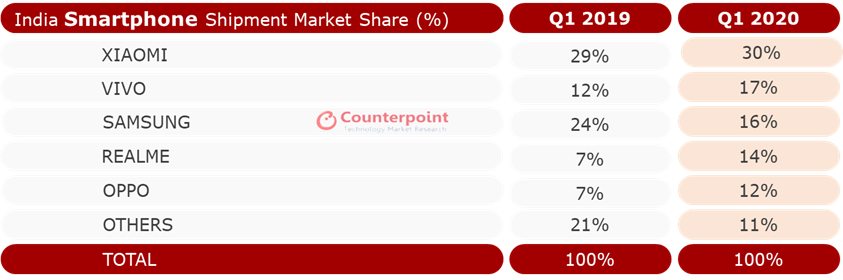
Overall, 31 million smartphone units shipped in India in Q1 2020. Chinese smartphone maker Xiaomi, which has held the tentpole position in what has become its biggest market globally for more than two years, widened its lead to command 30% of the market.

Vivo’s share grew to 17%, up from 12% during the same period last year. Samsung, which once led the Indian market, now sits at the third spot with 16% market share, down from 24% in Q1 2019. Apple maintained its recent momentum and grew by a strong 78% year-over-year in Q1 this year. It now commands 55% of the premium smartphone segment (handsets priced at $600 or above.).

More than 100 smartphone plants in India assemble or produce about 700,000 to 800,000 handsets a day, some of which are exported outside of the country. But the lockdown has halted the production and could cost the industry more than $3 billion to $4 billion in direct loss this year.

“We often draw parallels between India and China. But in China, their factories have adopted automation at various levels, something that is not the case in India,” said Tarun Pathak, a senior analyst at Counterpoint, earlier this week.

China, where smartphone sales declined by 38% annually in February this year, has already started to see recovery. Xiaomi said last month that its phone factories were already operating at more than 80% of their capacity. Globally, smartphone shipment declined by 14% in February, according to Counterpoint.

Investors buy The DiPP as accelerators go virtual

Hello and welcome back to Equity, TechCrunch’s venture capital-focused podcast, where we unpack the numbers behind the headlines.

This week we had a choice of all sorts of news, but as we cut the show together as a group Danny pushed all the funding rounds up. So, when Alex and Natasha jumped into the show we had a bunch of good news to cover. We’re avoiding COVID-19 news, but the pandemic is just a part of the broader stories we want to tell. For the foreseeable future, coronavirus will be always be part of our interviews. But the conversation can’t start and stop there.

So what was on the docket? Three things: Accelerator news for the early-stage founders, funding rounds, of course, and some layoff news that was worth mentioning as it might trickle down beyond the unfortunate hosts. 

Here’s the rundown:

We didn’t get to talk through some Silicon Valley or European venture capital data, not to mention what we’re seeing in Boston because we ran out of time! More soon.

Equity drops every Monday at 7:00 AM PT and Friday at 6:00 am PT, so subscribe to us on Apple PodcastsOvercastSpotify and all the casts.


https://ift.tt/eA8V8J Investors buy The DiPP as accelerators go virtual https://ift.tt/2xYAIx8

Telegram hits 400 million monthly active users

Instant messaging service Telegram has amassed 400 million monthly active users, it said today, up from 300 million active users the seven-year-old service disclosed to the SEC last October.

The service — founded by Pavel Durov, who also created Russian social networking site VK — said it adds about 1.5 million users each day and is the most downloaded social media app in over 20 nations.

Telegram is working on bringing a secure video call feature to its users this year in response to the growing popularity of Zoom and Houseparty, it said. The company, headquartered in London and Dubai, however, did not talk about the future of its Gram cryptocurrency wallet and TON Blockchain that it had revealed in 2018, but put on hold early this year.

“As the gap in popularity between Telegram and its older competitors narrows, we find more and more validity in that original assumption,” the firm said in a blog post.

Telegram competes with dozens of popular instant messaging services including WhatsApp that has amassed over 2 billion users globally. Telegram often sees a surge in its user base when Facebook-owned service is facing an outage. Durov is also one of the most vocal critics of WhatsApp.

Telegram’s desktop app, which does not require the phone to be connected to the internet to function, and a range of features including folders and cloud storage have won it a loyal set of users.

But these features have also given rise to misuse of its platform with at least a few million of its users relying on the service to distribute and download illegal copies of movies, songs, and applications. Its piracy issue remains prevalent today.

Telegram has always operated with a degree of disregard for the opinions of government authorities and various corporates — that has resulted in some interesting use cases. Telegram, which is banned in China, counts the world’s most populous nation as one of its biggest markets.

People in the nation use virtual private networks (VPN) to download and run Telegram. Amid heavy censorship in China, Telegram became a refuge for WeChat users looking for authoritative information about the coronavirus early this year.

Telegram today revealed a sticker directory that lists over 20,000 stickers, and detailed a handful of improvements such as a new attachment menu on Android. The firm also said it was creating a database of educational tests for students, and plans to distribute 400,000 Euro to creators for creating those tests.

TechCrunch learned last week that the service had reached the 400 million users milestone, but at the time Telegram did not respond to a request for comment.


from Social – TechCrunch https://ift.tt/eA8V8J Telegram hits 400 million monthly active users Manish Singh https://ift.tt/3cKe1vv
via IFTTT

blogger better Headline Animator