l
l
blogger better. Powered by Blogger.

Search

Labels

blogger better

Followers

Blog Archive

Total Pageviews

Labels

Download

Blogroll

Featured 1

Curabitur et lectus vitae purus tincidunt laoreet sit amet ac ipsum. Proin tincidunt mattis nisi a scelerisque. Aliquam placerat dapibus eros non ullamcorper. Integer interdum ullamcorper venenatis. Pellentesque habitant morbi tristique senectus et netus et malesuada fames ac turpis egestas.

Featured 2

Curabitur et lectus vitae purus tincidunt laoreet sit amet ac ipsum. Proin tincidunt mattis nisi a scelerisque. Aliquam placerat dapibus eros non ullamcorper. Integer interdum ullamcorper venenatis. Pellentesque habitant morbi tristique senectus et netus et malesuada fames ac turpis egestas.

Featured 3

Curabitur et lectus vitae purus tincidunt laoreet sit amet ac ipsum. Proin tincidunt mattis nisi a scelerisque. Aliquam placerat dapibus eros non ullamcorper. Integer interdum ullamcorper venenatis. Pellentesque habitant morbi tristique senectus et netus et malesuada fames ac turpis egestas.

Featured 4

Curabitur et lectus vitae purus tincidunt laoreet sit amet ac ipsum. Proin tincidunt mattis nisi a scelerisque. Aliquam placerat dapibus eros non ullamcorper. Integer interdum ullamcorper venenatis. Pellentesque habitant morbi tristique senectus et netus et malesuada fames ac turpis egestas.

Featured 5

Curabitur et lectus vitae purus tincidunt laoreet sit amet ac ipsum. Proin tincidunt mattis nisi a scelerisque. Aliquam placerat dapibus eros non ullamcorper. Integer interdum ullamcorper venenatis. Pellentesque habitant morbi tristique senectus et netus et malesuada fames ac turpis egestas.

Wednesday, December 26, 2018

The 10 largest US venture rounds of 2018

Three U.S. companies raised more than $1 billion in just one funding round in 2018, a year in which total deal value for U.S. startups is expected to surpass $100 billion for the first time.

For the most part, it was the usual suspects, and yes, SoftBank was an accessory in many of these rounds. Here’s a look at the 10 largest venture rounds of 2018.

Epic Games: $1.25 billion
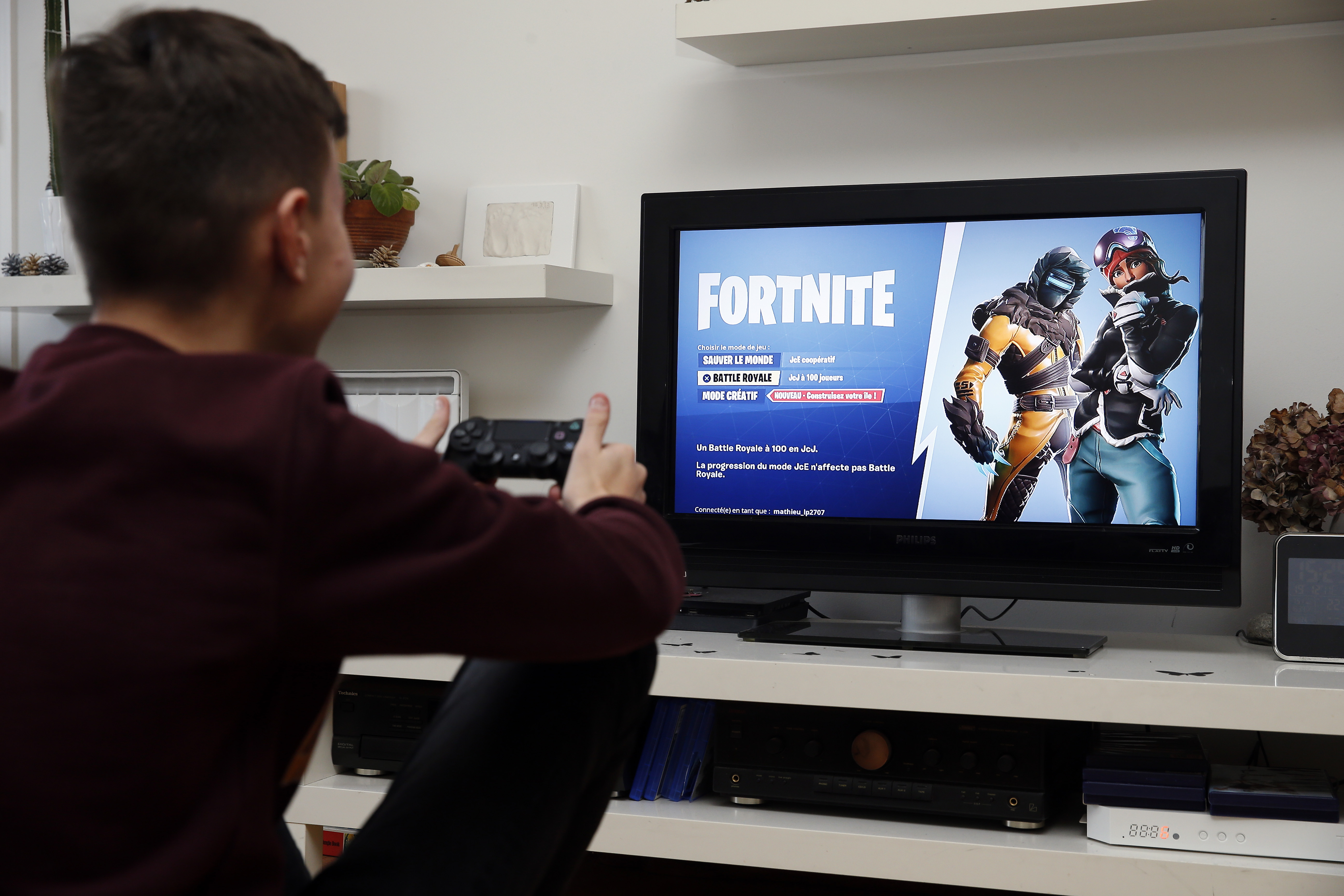
The video game Fortnite Battle Royale was the star of the year 2018; more than 200 million players worldwide are registered online. (Photo Illustration by Chesnot/Getty Images)

Given the absolute phenomenon Fortnite became in just one year from its original release, it was no surprise private investors wanted to put money into Epic Games, the company behind it. In October, Epic Games announced a whopping $1.25 billion round at $15 billion valuation from KKR, Iconiq Capital, Smash Ventures, Vulcan Capital, Kleiner Perkins and Lightspeed Venture Partners to continue growing its Fortnite empire. That game alone is expected to bring in $2 billion in revenue in 2018 and reports 200 million registered players — not too shabby.

Cary, N.C.-based Epic Games’ monstrous fundraise was a standout in a year when funding for gaming and esports startups really took off. According to Crunchbase, global venture investment in the industry increased nearly 75 percent, to $701 million in the first half of 2018. Given Epic’s round, Discord’s $150 million infusion of capital this week and several others since June, the second half of 2018 undoubtedly set major records in the space.

Uber: $1.2 billion

Travis Kalanick, co-founder and former chief executive officer of Uber Technologies Inc., speaks during the TiE Global Entrepreneurs Summit in New Delhi, India, on Friday, December 16, 2016. Kalanick said the company will introduce Uber Moto across India. Photographer: Udit Kulshrestha/Bloomberg via Getty Images

One of the largest rounds of 2018 was also one of the first big financings of the year. To be fair, the negotiations behind Uber’s $1.2 billion SoftBank investment and much of the press coverage surrounding it came in 2017, but the deal officially closed in January. This deal was monumental for many reasons. First of all, it made Uber founder and former chief executive officer Travis Kalanick a billionaire — not just on paper — and it cemented SoftBank’s position as the ride-hailing giant’s largest shareholder.

The financing brought San Francisco-based Uber’s total raised to date to just over $20 billion at a valuation said to be around $72 billion. Of course, Uber has since privately filed for an initial public offering slated for the first quarter of 2019.

Juul Labs: $1.2 billion

Juul Labs, the maker of the popular e-cigarette brand that has recently come under fire from health officials over its popularity with young adults, plans to introduce a line of lower-nicotine pods. Photographer: Gabby Jones/Bloomberg via Getty Images

Juul, one of the buzziest companies of 2018, raised $1.2 billion from private investors Tiger Global, Fidelity and more in mid-2018. Then, this month, the developer of e-cigarettes popular among teenagers accepted a $12.8 billion investment from the makers of Marlboro that valued it at $38 billion. Not only has Juul created significant controversy surrounding the ethics, or lack thereof, of its core product and its marketing to the younger generation in a short time, but it has also accumulated value at a clip rarely seen before. Juul, for context, surpassed a $10 billion valuation just seven months after its first round of VC backing — that’s four times faster than Facebook.

2019 is poised to be an interesting year for San Francisco-based Juul as it navigates public scrutiny, regulations and the completion of its partnership with Altria Group, which, according to Juul’s CEO Kevin Burns, will “help accelerate [Juul’s] success switching adult smokers.”

Magic Leap: $963M

Magic Leap’s flagship product, the Magic Leap One AR headset, began shipping to consumers this year.

It wouldn’t be an end of the year round-up of the largest VC deals without any mention of Magic Leap, the extremely well-funded virtual reality company. Tucked away in Plantation, Fla., 8-year-old Magic Leap has closed round after round, raising more than $2 billion to develop its hardware and software. The key investors in this year’s big round, which valued the company at $6.3 billion, were Temasek and AT&T, which announced it would become the exclusive “wireless distributor” of Magic Leap products in the U.S. starting this summer. Magic Leap is also backed by Google, Alibaba and Axel Springer.

Not only did Magic Leap land one of the largest VC deals this year, but it also finally began shipping to consumers its flagship product, the Magic Leap One AR headset. That was a long time coming — years, in fact. So long, many doubted whether the buzzy headsets would ever see the light of day. Now, the headsets are available to buyers in 48 states, though it’s worth mentioning they cost more than two grand.

Instacart: $600M
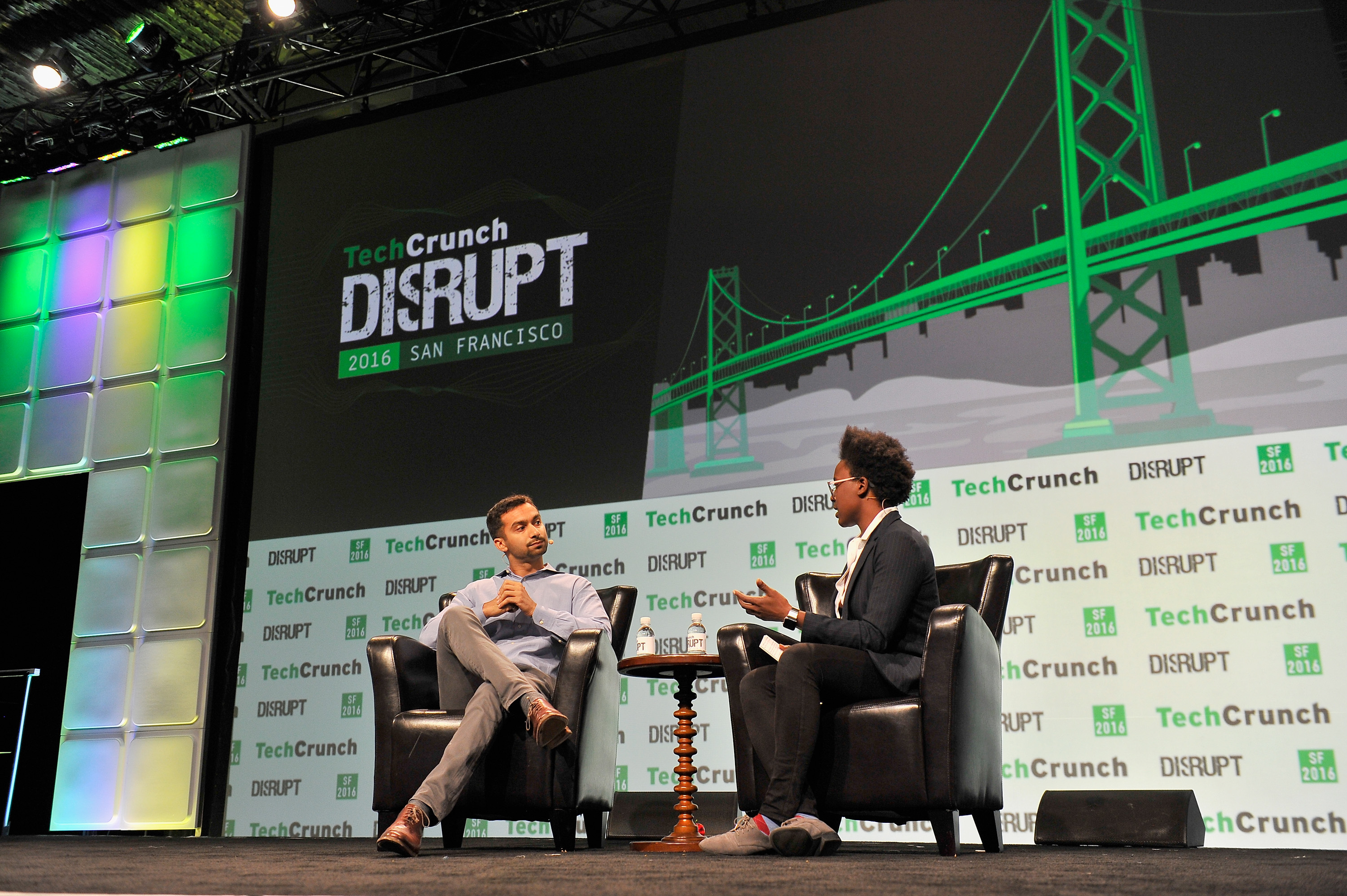
Founder and CEO of Instacart Apoorva Mehta and moderator Megan Rose Dickey speak onstage during TechCrunch Disrupt SF 2016 at Pier 48 on September 14, 2016 in San Francisco, California. (Photo by Steve Jennings/Getty Images for TechCrunch)

Instacart has a lofty goal of delivering groceries to every household in the U.S., and it needs a lot of cash to get there. The company has raised VC every year since it completed the Y Combinator startup accelerator in 2012, and 2018 was no different. In October, the service brought in $600 million at a $7.6 billion valuation in a round led by D1 Capital Partners. Headquartered in San Francisco, the company has raised $1.6 billion to date from Coatue Management, Thrive Capital, Canaan Partners, Andreessen Horowitz and several others.

Instacart CEO Apoorva Mehta told TechCrunch at the time that the startup didn’t really need the capital and that this was more of an “opportunistic” battle. The market is hot, after all, and Instacart has ambitious plans to scale and it has a fierce competitor in Amazon to take on. As for an IPO, Mehta said “it will be on the horizon.”

Katerra: $865M

SoftBank-backed Katerra says it’s brought in more than $1.3 billion in bookings for new construction ranging from residential to hospitality and student housing.

One of SoftBank’s first major bets of 2018 was on construction technology, with an $865 million investment in Katerra at a $3 billion valuation out of its Vision Fund. Katerra, a tech startup based out of Menlo Park, develops, designs and constructs buildings. At the time of its January fundraise, Katerra told TechCrunch it had brought in more than $1.3 billion in bookings for new construction ranging from residential to hospitality and student housing. Founded in 2015 by three former private equity barons, the company has raised a total of $1.1 billion to date from SoftBank, Foxconn, Greenoaks Capital and others.

In June, Katerra announced it would merge with KEF Infra, an offsite manufacturing technology specialist, and would begin operating in India and the Middle East markets.

Opendoor: $725M

Yet another SoftBank investment, San Francisco-based Opendoor is also backed by Fifth Wall Ventures, GV, Andreessen Horowitz and more.

Opendoor’s two big SoftBank-backed investments this year totaled $725 million, valuing the company at $2.5 billion. The deal gave SoftBank a minority stake in Opendoor, an online real estate marketplace, and put one of its five managing directors, Jeff Housenbold, on the company’s board of directors. The round brought Opendoor’s total funding to slightly more than $1 billion — most of which it acquired in 2018, a major year for the company. Founded in 2014, the San Francisco-based startup is also backed by Fifth Wall Ventures, GV, Andreessen Horowitz and more.

According to TechCrunch’s Connie Loizos, Housenbold had hoped to work with Opendoor co-founder and CEO Eric Wu for some time. “The minute he joined [SoftBank] he reached out to me and let me know … saying if there was an opportunity to work together, to reach out to him,” Wu said.

Lyft: $600M
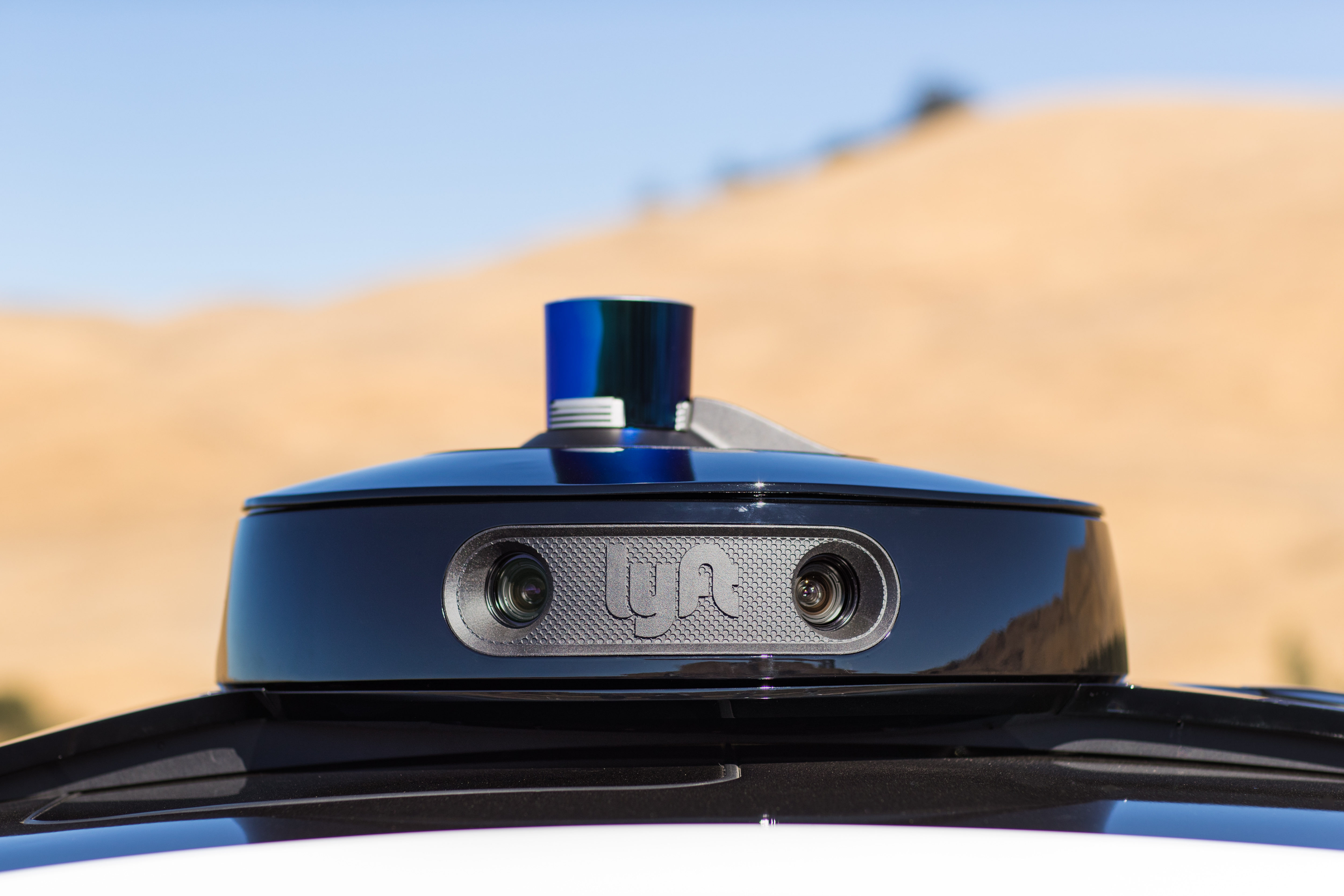
Uber competitor Lyft expanded aggressively in 2018, raised hundreds of millions in additional venture capital funding, and filed confidentially to go public.

Lyft managed to stay quite busy this year. Not only did the ridesharing company raise a $600 million round at a $15.1 billion valuation, it also acquired bike-share operator Motivate and filed confidentially to go public. Founded in 2012 by Logan Green and John Zimmer, the company has long competed with Uber, and will continue to do so as the pair race to the public markets in early-2019. Lyft, much smaller than Uber and only active in the U.S. and Canada, has raised nearly $5 billion in venture backing from KKR, Mayfield, Didi Chuxing, Floodgate and others.

San Francisco-based Lyft has spent much of the last two years expanding rapidly across the U.S. market, as well as pursuing its autonomous vehicle ambitions.

Automation Anywhere: $550M

Automation Anywhere raised a monstrous $550 million Series A in 2018, with support from the SoftBank Vision Fund.

The only surprise to make this list is Automation Anywhere, a 15-year-old provider of robotic process automation. The company raised a total of $550 million in Series A funding, a large chunk of which came from the SoftBank Vision Fund, as well as NEA, General Atlantic and Goldman Sachs. The round valued Automation Anywhere at $2.6 billion. According to PitchBook, this was the first round of institutional backing for the San Jose, Calif.-based company.

In a conversation with TechCrunch, Automation Anywhere CEO Mihir Shukla said they were attracted to SoftBank because of Masayoshi So — the CEO and founder of SoftBank: “[He} has a vision and he is investing in foundational platforms that will change how we work and travel. We share that vision.”

Peloton: $500M
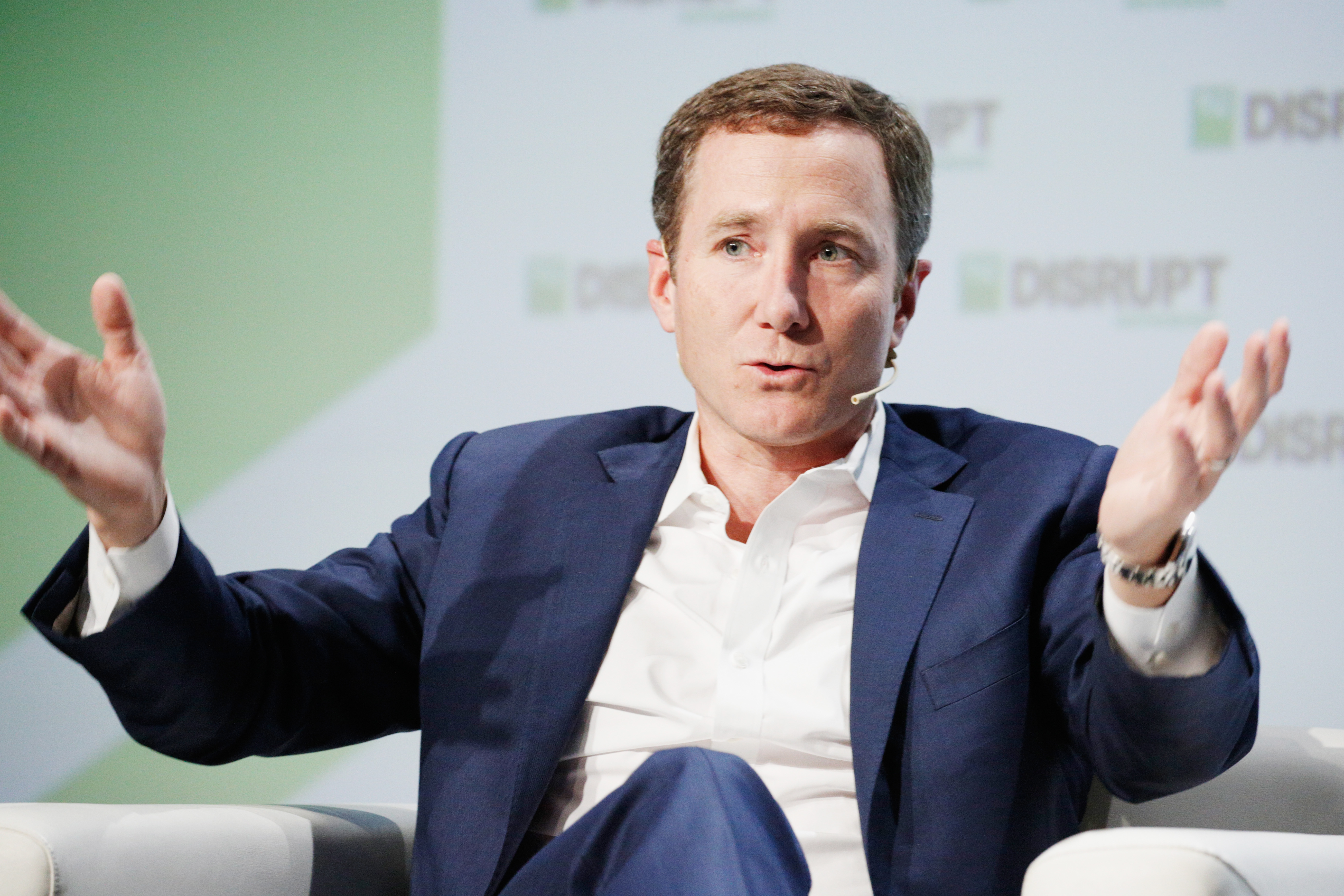
SAN FRANCISCO, CA – SEPTEMBER 06: Peloton Co-Founder/CEO John Foley speaks onstage during Day 2 of TechCrunch Disrupt SF 2018 at Moscone Center on September 6, 2018 in San Francisco, California. (Photo by Kimberly White/Getty Images for TechCrunch)

Peloton’s growth exploded in 2018 as it launched its $4,000 treadmill, doubled down on original fitness streaming content and raised an additional $500 million in equity funding at a $5 billion valuation. The New York-based startup, often referred to as the “Netflix of fitness,” has raised nearly $1 billion in venture capital funding in the six years since it was founded by John Foley. It’s backed by  L Catterton, True Ventures, Tiger Global and others.

It’s likely Peloton will take the public markets plunge in 2019 much like Uber and Lyft. Foley earlier this year told The Wall Street Journal that though he doesn’t have any concrete plans, 2019 “makes a lot of sense” for its stock market debut.


https://tcrn.ch/2EPzJjR The 10 largest US venture rounds of 2018 https://tcrn.ch/2T7ch5y

A new solar technology could be the next big boost for renewable energy

Across the globe, a clutch of companies from Oxford, England to Redwood City, Calif. are working to commercialize a new solar technology that could further boost the adoption of renewable energy generation.

Earlier this year, Oxford PV, a startup working in tandem with Oxford University, received $3 million from the U.K. government to develop the technology, which uses a new kind of material to make solar cells. Two days ago, in the U.S., a company called Swift Solar raised $7 million to bring the same technology to market, according to a filing with the Securities and Exchange Commission.

Called a perovskite cell, the new photovoltaic tech uses hybrid organic-inorganic lead or tin halide-based material as the light-harvesting active layer. It’s the first new technology to come along in years to offer the promise of better efficiency in the conversion of light to electric power at a lower cost than existing technologies.

“Perovskite has let us truly rethink what we can do with the silicon-based solar panels we see on roofs today,” said Sam Stranks, the lead scientific advisor and one of the co-founders of Swift Solar, in a Ted Talk. “Another aspect that really excites me: how cheaply these can be made. These thin crystalline films are made by mixing two inexpensive readily abundant salts to make an ink that can be deposited in many different ways… This means that perovskite solar panels could cost less than half of their silicon counterparts.”

First incorporated into solar cells by Japanese researchers in 2009, the perovskite solar cells suffered from low efficiencies and lacked stability to be broadly used in manufacturing. But over the past nine years researchers have steadily improved both the stability of the compounds used and the efficiency that these solar cells generate.

Oxford PV, in the U.K., is now working on developing solar cells that could achieve conversion efficiencies of 37 percent — much higher than existing polycrystalline photovoltaic or thin-film solar cells.

New chemistries for solar cell manufacturing have been touted in the past, but cost has been an obstacle to commercial rollout, given how cheaply solar panels became thanks in part to a massive push from the Chinese government to increase manufacturing capacity.

Many of those manufacturers eventually folded, but the survivors managed to maintain their dominant position in the industry by reducing the need for buyers to look to newer technologies for cost or efficiency savings.

There’s a risk that this new technology also faces, but the promise of radical improvements in efficiencies at costs that are low enough to attract buyers have investors once again putting money behind alternative solar chemistries.

Oxford PV has already set a world-leading efficiency mark for perovskite-based cells at 27.3 percent. That’s already 4 percent higher than the leading monocrystalline silicon panels available today.

“Today, commercial-sized perovskite-on-silicon tandem solar cells are in production at our pilot line and we are optimizing equipment and processes in preparation for commercial deployment,” said Oxford PV’s CTO Chris Case in a statement.


https://ift.tt/eA8V8J A new solar technology could be the next big boost for renewable energy https://tcrn.ch/2rU1qR1

See you in Las Vegas during CES

We will be holding a small event during CES in Las Vegas and we want to see you! We’re looking to meet some cool hardware and crypto startups, so the good folks at Work In Progress have opened up their space to us and 200 of you all to hold a meetup and pitch-off.

The event will be held at Work In Progress, 317 South 6th Street on Wednesday, January 9, 2019 between 6:00 PM – 9:00 PM PST.

There are only 200 tickets, so if you want to come please pick one up ASAP. The meetup is open to everyone, so head over if you’d like to talk tech. You can pick up a ticket here.

If you’d like to pitch at the event I’ll be picking 10 companies that will have three minutes to pitch without slides. Because this is a hardware event I recommend bringing a few of your items to show off. If you’d like to pitch, fill this out and I will contact those who will be coming up on stage.

See you in Vegas!


https://ift.tt/eA8V8J See you in Las Vegas during CES https://tcrn.ch/2QNXHU5

Tuesday, December 25, 2018

Two years later, I still miss the headphone port

{rss:content:encoded} Two years later, I still miss the headphone port https://tcrn.ch/2Vdr4hh https://tcrn.ch/2LxgJbe December 26, 2018 at 02:16AM

Two years ago, Apple killed the headphone port. I still haven’t forgiven them for it.

When Apple announced that the iPhone 7 would have no headphone port, I was pretty immediately annoyed. I figured maybe I’d get over it in a few months. I didn’t. I figured if worse came to worse, I’d switch platforms. Then all of the other manufacturers started following suit.

This, of course, isn’t a new annoyance for me. I’ve been hating headphone adapters on phones right here on this very website since two thousand and nine. For a little stretch there, though, I got my way.

It was a world full of dongles and crappy proprietary audio ports. Sony Ericsson had the FastPort. Nokia had the Pop-Port. Samsung had like 10 different ports that no one gave a shit about. No single phone maker had claimed the throne yet, so no one port had really become ubiquitous… but every manufacturer wanted their port to become the port. Even the phones that had a standardized audio jack mostly had the smaller 2.5mm port, requiring an adapter all the same.

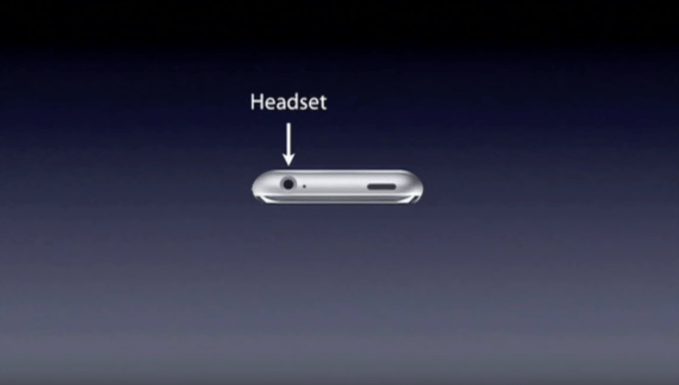
Then came the original iPhone with its 3.5mm headphone port. It was a weird recessed 3.5mm port that didn’t work with most headphones, but it was a 3.5mm port! Apple was riding on the success of the iPod, and people were referring to this rumored device as the iPod Phone before it was even announced. How could something like that not have a headphone port?

Sales of the iPhone started to climb. A few million in 2007. Nearly 12 million in 2008. 20 million in 2009. A tide shifted. As Apple’s little slab of glass took over the smartphone world, other manufacturers tried to figure out what Apple was doing so right. The smartphone market, once filled with chunky, button-covered plastic beasts (this one slides! This one spins!), homogenized. Release by release, everything started looking more like the iPhone. A slab of glass. Premium materials. Minimal physical buttons. And, of course, a headphone port.

Within a couple years, a standard headphone port wasn’t just a nice selling point — it was mandatory. We’d entered a wonderful age of being able to use your wired headphones whenever you damn well pleased.

Then came September 7th, 2016, when Apple had the “courage” to announce it was ditching the 3.5mm jack (oh and also by the way check out these new $150 wireless headphones!).

Apple wasn’t the first to ditch the headphone port — but, just as with its decision to include one, its decision to remove it has turned the tide. A few months after the portless iPhone 7 was announced, Xiaomi nixed the port on the Mi 6. Then Google ditched it from its flagship Android phone, the Pixel 3. Even Samsung, which lampooned Apple for the decision, seems to be tinkering with the idea of dropping it. Though leaks suggest the upcoming Galaxy S10 will have a headphone port, the company pulled it from the mid-range A8 line earlier this year. If 2016 was the year Apple took a stab at the headphone jack, 2018 was the year it bled out.

And I’m still mad about it.

Technology comes and goes, and oh-so-often at Apple’s doing. Ditching the CD drive in laptops? That’s okay — CDs were doomed, and they were pretty awful to begin with. Killing Flash? Flash sucked. Switching one type of USB port for another? Fine, I suppose. The new USB is better in just about every way. At the very least, I won’t try to plug it in upside down only to flip it over and realize I had it right the first time.

But the headphone jack? It was fine. It stood the test of time for one hundred damned years, and with good reason: It. Just. Worked.

I’ve been trying to figure out why the removal of the headphone port bugs me more than other ports that have been unceremoniously killed off, and I think it’s because the headphone port almost always only made me happy. Using the headphone port meant listening to my favorite album, or using a free minute to catch the latest episode of a show, or passing an earbud to a friend to share some new tune. It enabled happy moments and never got in the way.

Now every time I want to use my headphones, I just find myself annoyed.

Bluetooth? Whoops, forgot to charge them. Or whoops, they’re trying to pair with my laptop even though my laptop is turned off and in my backpack.

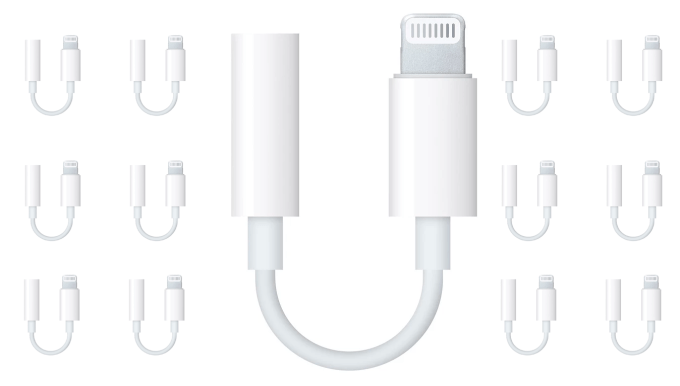
Dongle? Whoops, left it on my other pair of headphones at work. Or whoops, it fell off somewhere, and now I’ve got to go buy another one.

I’ll just buy a bunch of dongles, and put them on all my headphones! I’ll keep extras in my bag for when I need to borrow a pair of headphones. That’s just like five dongles at this point, problem solved! Oh, wait: now I want to listen to music while I fall asleep, but also charge my phone so it’s not dead in the morning. That’s a different, more expensive splitter dongle (many of which, I’ve found, are poorly made garbage).

None of these are that big of a deal. Charge your damned headphones, Greg. Stop losing your dongles. The thing is: they took a thing that just worked and just made me happy and replaced it with something that, quite often, just bugs the hell out of me. If a friend sent me a YouTube link and I wanted to watch it without bugging everyone around me, I could just use whatever crappy, worn out headphones I happened to have sitting in my bag. Now it’s a process with a bunch of potential points of failure.

“But now its water resistant!” Water-resistant phones existed before all of this, plenty of which had/have headphone ports. As a recent example, see Samsung’s Galaxy S9 with its IP68 rating (matching that of the iPhone XS.)

“But it can be slimmer!” No one was asking for that.

“But the batteries inside can be bigger!” The capacity of the battery barely jumped in the years from the 6S to the 8 — from 1,715mAh to 1,821mAh. It wasn’t until a few years later with the iPhone X, when the standard iPhone started getting wider and taller, that we saw super big jumps in its battery capacity.

Will this post change anything? Of course not. Apple blew the horn that told the industry it’s okay to drop the headphone port, and everyone fell right in line. The next year — and the year after that — Apple sold another 200M-plus phones. At this point, Apple doesn’t even bother giving you the headphone adapter in the box. Apple’s mind is made up.

But if you’re out there, annoyed, stumbling across this post after finding yourself with a pair of headphones and a smartphone that won’t play friendly together in a pinch, just know: you’re not the only one. Two years later, I’m still mad at whoever made this call — and everyone else in the industry who followed suit.

We finally started taking screen time seriously in 2018

{rss:content:encoded} We finally started taking screen time seriously in 2018 https://tcrn.ch/2EPgHLh https://tcrn.ch/2T99V6f December 25, 2018 at 11:27PM

At the beginning of this year, I was using my iPhone to browse new titles on Amazon when I saw the cover of “How to Break Up With Your Phone” by Catherine Price. I downloaded it on Kindle because I genuinely wanted to reduce my smartphone use, but also because I thought it would be hilarious to read a book about breaking up with your smartphone on my smartphone (stupid, I know). Within a couple of chapters, however, I was motivated enough to download Moment, a screen time tracking app recommended by Price, and re-purchase the book in print.

Early in “How to Break Up With Your Phone,” Price invites her readers to take the Smartphone Compulsion Test, developed by David Greenfield, a psychiatry professor at the University of Connecticut who also founded the Center for Internet and Technology Addiction. The test has 15 questions, but I knew I was in trouble after answering the first five. Humbled by my very high score, which I am too embarrassed to disclose, I decided it was time to get serious about curtailing my smartphone usage.

Of the chapters in Price’s book, the one called “Putting the Dope in Dopamine” resonated with me the most. She writes that “phones and most apps are deliberately designed without ‘stopping cues’ to alert us when we’ve had enough—which is why it’s so easy to accidentally binge. On a certain level, we know that what we’re doing is making us feel gross. But instead of stopping, our brains decide the solution is to seek out more dopamine. We check our phones again. And again. And again.”

Gross was exactly how I felt. I bought my first iPhone in 2011 (and owned an iPod Touch before that). It was the first thing I looked at in the morning and the last thing I saw at night. I would claim it was because I wanted to check work stuff, but really I was on autopilot. Thinking about what I could have accomplished over the past eight years if I hadn’t been constantly attached to my smartphone made me feel queasy. I also wondered what it had done to my brain’s feedback loop. Just as sugar changes your palate, making you crave more and more sweets to feel sated, I was worried that the incremental doses of immediate gratification my phone doled out would diminish my ability to feel genuine joy and pleasure.

Price’s book was published in February, at the beginning of a year when it feels like tech companies finally started to treat excessive screen time as a liability (or at least do more than pay lip service to it). In addition to the introduction of Screen Time in iOS 12 and Android’s digital wellbeing tools, Facebook, Instagram and YouTube all launched new features that allow users to track time spent on their sites and apps.

Early this year, influential activist investors who hold Apple shares also called for the company to focus on how their devices impact kids. In a letter to Apple, hedge fund Jana Partners and California State Teachers’ Retirement System (CalSTRS) wrote “social media sites and applications for which the iPhone and iPad are a primary gateway are usually designed to be as addictive and time-consuming as possible, as many of their original creators have publicly acknowledged,” adding that “it is both unrealistic and a poor long-term business strategy to ask parents to fight this battle alone.”

The growing mound of research

Then in November, researchers at Penn State released an important new study that linked social media usage by adolescents to depression. Led by psychologist Melissa Hunt, the experimental study monitored 143 students with iPhones from the university for three weeks. The undergraduates were divided into two groups: one was instructed to limit their time on social media, including Facebook, Snapchat and Instagram, to just 10 minutes each app per day (their usage was confirmed by checking their phone’s iOS battery use screens). The other group continued using social media apps as they usually did. At the beginning of the study, a baseline was established with standard tests for depression, anxiety, social support and other issues, and each group continued to be assessed throughout the experiment.

The findings, published in the Journal of Social and Clinical Psychology, were striking. The researchers wrote that “the limited use group showed significant reductions in loneliness and depression over three weeks compared to the control group.”

Even the control group benefitted, despite not being given limits on their social media use. “Both groups showed significant decreases in anxiety and fear of missing out over baselines, suggesting a benefit of increased self-monitoring,” the study said. “Our findings strongly suggest that limiting social media use to approximately 30 minutes a day may lead to significant improvement in well-being.”

Other academic studies published this year added to the growing roster of evidence that smartphones and mobile apps can significantly harm your mental and physical wellbeing.

A group of researchers from Princeton, Dartmouth, the University of Texas at Austin, and Stanford published a study in the Journal of Experimental Social Psychology that found using smartphones to take photos and videos of an experience actually reduces the ability to form memories of it. Others warned against keeping smartphones in your bedroom or even on your desk while you work. Optical chemistry researchers at the University of Toledo found that blue light from digital devices can cause molecular changes in your retina, potentially speeding macular degeneration.

So over the past 12 months, I’ve certainly had plenty of motivation to reduce my screen time. In fact, every time I checked the news on my phone, there seemed to be yet another headline about the perils of smartphone use. I began using Moment to track my total screen time and how it was divided between apps. I took two of Moment’s in-app courses, “Phone Bootcamp” and “Bored and Brilliant.” I also used the app to set a daily time limit, turned on “tiny reminders,” or push notifications that tell you how much time you’ve spent on your phone so far throughout the day, and enabled the “Force Me Off When I’m Over” feature, which basically annoys you off your phone when you go over your daily allotment.

At first I managed to cut my screen time in half. I had thought some of the benefits, like a better attention span mentioned in Price’s book, were too good to be true. But I found my concentration really did improve significantly after just a week of limiting my smartphone use. I read more long-form articles, caught up on some TV shows, and finished knitting a sweater for my toddler. Most importantly, the nagging feeling I had at the end of each day about frittering all my time away diminished, and so I lived happily after, snug in the knowledge that I’m not squandering my life on memes, clickbait and makeup tutorials.

Just kidding.

Holding my iPod Touch in 2010, a year before I bought my first smartphone and back when I still had an attention span.

After a few weeks, my screen time started creeping up again. First I turned off Moment’s “Force Me Off” feature, because my apartment doesn’t have a landline and I needed to be able to check texts from my husband. I kept the tiny reminders, but those became easier and easier to ignore. But even as I mindlessly scrolled through Instagram or Reddit, I felt the existentialist dread of knowing that I was misusing the best years of my life. With all that at stake, why is limiting screen time so hard?

I wish I knew how to quit you, small device

I decided to talk to the CEO of Moment, Tim Kendall, for some insight. Founded in 2014 by UI designer and iOS developer Kevin Holesh, Moment recently launched an Android version, too. It’s one of the best known of a genre that includes Forest, Freedom, Space, Off the Grid, AntiSocial and App Detox, all dedicated to reducing screen time (or at least encouraging more mindful smartphone use).

Kendall told me that I’m not alone. Moment has 7 million users and “over the last four years, you can see that average usage goes up every year,” he says. By looking at overall data, Moment’s team can tell that its tools and courses do help people reduce their screen time, but that often it starts creeping up again. Combating that with new features is one of the company’s main goals for next year.

“We’re spending a lot of time investing in R&D to figure out how to help people who fall into that category. They did Phone Bootcamp, saw nice results, saw benefits, but they just weren’t able to figure out how to do it sustainably,” says Kendall. Moment already releases new courses regularly (recent topics have included sleep, attention span, and family time) and recently began offering them on a subscription basis.

“It’s habit formation and sustained behavior change that is really hard,” says Kendall, who previously held positions as president at Pinterest and Facebook’s director of monetization. But he’s optimistic. “It’s tractable. People can do it. I think the rewards are really significant. We aren’t stopping with the courses. We are exploring a lot of different ways to help people.”

As Jana Partners and CalSTRS noted in their letter, a particularly important issue is the impact of excessive smartphone use on the first generation of teenagers and young adults to have constant access to the devices. Kendall notes that suicide rates among teenagers have increased dramatically over the past two decades. Though research hasn’t explicitly linked time spent online to suicide, the link between screen time and depression has been noted many times already, as in the Penn State study.

But there is hope. Kendall says that the Moment Coach feature, which delivers short, daily exercises to reduce smartphone use, seems to be particularly effective among millennials, the generation most stereotypically associated with being pathologically attached to their phones. “It seems that 20- and 30-somethings have an easier time internalizing the coach and therefore reducing their usage than 40- and 50-somethings,” he says.

Kendall stresses that Moment does not see smartphone use as an all-or-nothing proposition. Instead, he believes that people should replace brain junk food, like social media apps, with things like online language courses or meditation apps. “I really do think the phone used deliberately is one of the most wonderful things you have,” he says.

Researchers have found that taking smartphone photos and videos during an experience may decrease your ability to form memories of it. (Steved_np3/Getty Images)

I’ve tried to limit most of my smartphone usage to apps like Kindle, but the best solution has been to find offline alternatives to keep myself distracted. For example, I’ve been teaching myself new knitting and crochet techniques, because I can’t do either while holding my phone (though I do listen to podcasts and audiobooks). It also gives me a tactile way to measure the time I spend off my phone because the hours I cut off my screen time correlate to the number of rows I complete on a project. To limit my usage to specific apps, I rely on iOS Screen Time. It’s really easy to just tap “Ignore Limit,” however, so I also continue to depend on several of Moment’s features.

While several third-party screen time tracking app developers have recently found themselves under more scrutiny by Apple, Kendall says the launch of Screen Time hasn’t significantly impacted Moment’s business or sign ups. The launch of their Android version also opens up a significant new market (Android also enables Moment to add new features that aren’t possible on iOS, including only allowing access to certain apps during set times).

The short-term impact of iOS Screen Time has “been neutral, but I think in the long-term it’s really going to help,” Kendall says. “I think in the long-term it’s going to help with awareness. If I were to use a diet metaphor, I think Apple has built a terrific calorie counter and scale, but unfortunately they have not given people nutritional guidelines or a regimen. If you talk to any behavioral economist, not withstanding all that’s been said about the quantified self, numbers don’t really motivate people.”

Guilting also doesn’t work, at least not for the long-term, so Moment tries to take “a compassionate voice,” he adds. “That’s part of our brand and company and ethos. We don’t think we’ll be very helpful if people feel judged when we use our product. They need to feel cared for and supported, and know that the goal is not perfection, it’s gradual change.”

Many smartphone users are probably in my situation: alarmed by their screen time stats, unhappy about the time they waste, but also finding it hard to quit their devices. We don’t just use our smartphones to distract ourselves or get a quick dopamine rush with social media likes. We use it to manage our workload, keep in touch with friends, plan our days, read books, look up recipes, and find fun places to go. I’ve often thought about buying a Yondr bag or asking my husband to hide my phone from me, but I know that ultimately won’t help.

As cheesy as it sounds, the impetus for change must come from within. No amount of academic research, screen time apps, or analytics can make up for that.

One thing I tell myself is that unless developers find more ways to force us to change our behavior or another major paradigm shift occurs in mobile communications, my relationship with my smartphone will move in cycles. Sometimes I’ll be happy with my usage, then I’ll lapse, then I’ll take another Moment course or try another screen time app, and hopefully get back on track. In 2018, however, the conversation around screen time finally gained some desperately needed urgency (and in the meantime, I’ve actually completed some knitting projects instead of just thumbing my way through #knittersofinstagram).

Monday, December 24, 2018

My product launch wishlist for Instagram, Twitter, Uber and more

‘Twas the night before Xmas, and all through the house, not a feature was stirring from the designer’s mouse . . . Not Twitter! Not Uber, Not Apple or Pinterest! On Facebook! On Snapchat! On Lyft or on Insta! . . . From the sidelines I ask you to flex your code’s might. Happy Xmas to all if you make these apps right.

Instagram

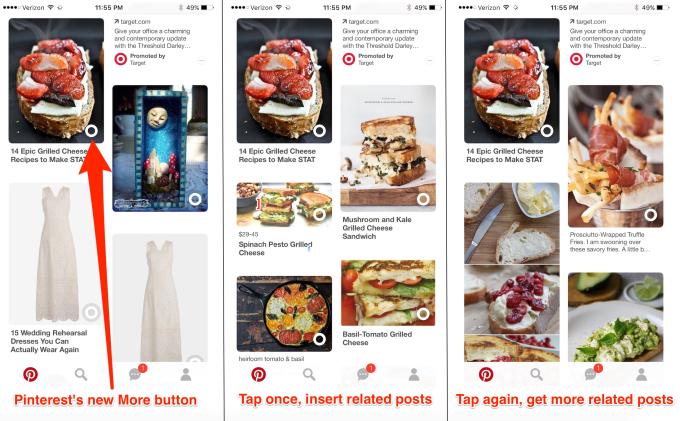
See More Like This – A button on feed posts that when tapped inserts a burst of similar posts before the timeline continues. Want to see more fashion, sunsets, selfies, food porn, pets, or Boomerangs? Instagram’s machine vision technology and metadata would gather them from people you follow and give you a dose. You shouldn’t have to work through search, hashtags, or the Explore page, nor permanently change your feed by following new accounts. Pinterest briefly had this feature (and should bring it back) but it’d work better on Insta.

Web DMs Instagram’s messaging feature has become the defacto place for sharing memes and trash talk about people’s photos, but it’s stuck on mobile. For all the college kids and entry-level office workers out there, this would make being stuck on laptops all day much more fun. Plus, youth culture truthsayer Taylor Lorenz wants Instagram web DMs too.

Upload Quality Indicator – Try to post a Story video or Boomerang from a crummy internet connection and they turn out a blurry mess. Instagram should warn us if our signal strength is low compared to what we usually have (since some places it’s always mediocre) and either recommend we wait for Wi-Fi, or post a low-res copy that’s replaced by the high-res version when possible.

Oh, and if new VP of product Vishal Shah is listening, I’d also like Bitmoji-style avatars and a better way to discover accounts that shows a selection of their recent posts plus their bio, instead of just one post and no context in Explore which is better for discovering content.

Twitter

DM Search – Ummm, this is pretty straightforward. It’s absurd that you can’t even search DMs by person, let alone keyword. Twitter knows messaging is a big thing on mobile right? And DMs are one of the most powerful ways to get in contact with mid-level public figures and journalists. PS: My DMs are open if you’ve got a news tip — @JoshConstine.

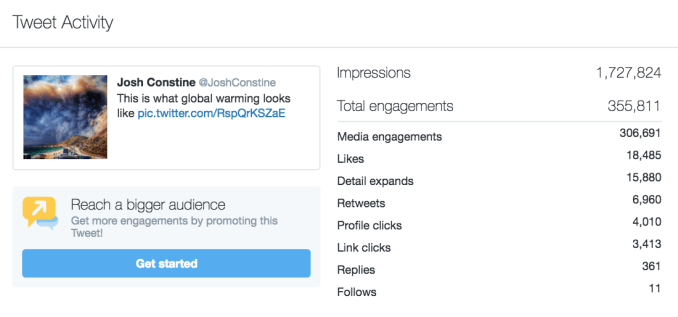
Unfollow Suggestions – Social networks are obsessed with getting us to follow more people, but do a terrible job of helping us clean up our feeds. With Twitter bringing back the option to see a chronological feed, we need unfollow suggestions more than ever. It should analyze who I follow but never click, fave, reply to, retweet, or even slow down to read and ask if I want to nix them. I asked for this 5 years ago and the problem has only gotten worse. Since people feel like their feeds are already overflowing, they’re stingy with following new people. That’s partly why you see accounts get only a handful of new followers when their tweets go viral and are seen by millions. I recently had a tweet with 1.7 million impressions and 18,000 Likes that drove just 11 follows. Yes I know that’s a self-own.

Analytics Benchmarks – If Twitter wants to improve conversation quality, it should teach us what works. Twitter offers analytics about each of your tweets, but not in context of your other posts. Did this drive more or fewer link clicks or follows than my typical tweet? That kind of info could guide users to create more compelling content.

Facebook

(Obviously we could get into Facebook’s myriad problems here. A less sensationalized feed that doesn’t reward exaggerated claims would top my list. Hopefully its plan to downrank “borderline content” that almost violates its policies will help when it rolls out.)

Batched Notifications – Facebook sends way too many notifications. Some are downright useless and should be eliminated. “14 friends responded to events happening tomorrow”? “Someone’s fundraiser is half way to its goal?” Get that shit out of here. But there are other notifications I want to see but that aren’t urgent nor crucial to know about individually. Facebook should let us decide to batch notifications so we’d only get one of a certain type every 12 or 24 hours, or only when a certain number of similar ones are triggered. I’d love a digest of posts to my Groups or Events from the past day rather than every time someone opens their mouth.

I so don’t care

Notifications In The “Time Well Spent” Feature – Facebook tells you how many minutes you spent on it each day over the past week and on average, but my total time on Facebook matters less to me than how often it interrupts my life with push notifications. The “Your Time On Facebook” feature should show how many notifications of each type I’ve received, which ones I actually opened, and let me turn off or batch the ones I want fewer of.

Oh, and for Will Cathcart, Facebook’s VP of apps, can I also get proper syncing so I don’t rewatch the same Stories on Instagram and Facebook, the ability to invite people to Events on mobile based on past invite lists of those I’ve hosted or attended, and the See More Like This feature I recommended for Instagram?

Uber/Lyft/Ridesharing

“Quiet Ride” Button – Sometimes you’re just not in the mood for small talk. Had a rough day, need to get work done, or want to just zone out? Ridesharing apps should offer a request for a quiet ride that if the driver accepts, you pay them an extra dollar (or get it free as a loyalty perk), and you get ferried to your destination without unnecessary conversation. I get that it’s a bit dehumanizing for the driver, but I’d bet some would happily take a little extra cash for their compliance.

“I Need More Time” Button – Sometimes you overestimate the ETA and suddenly your car is arriving before you’re ready to leave. Instead of cancelling and rebooking a few minutes later, frantically rushing so you don’t miss your window and get smacked with a no-show fee, or making the driver wait while they and the company aren’t getting paid, Uber, Lyft, and the rest should offer the “I Need More Time” button that simply rebooks you a car that’s a little further away.

Spotify/Music Streaming Apps

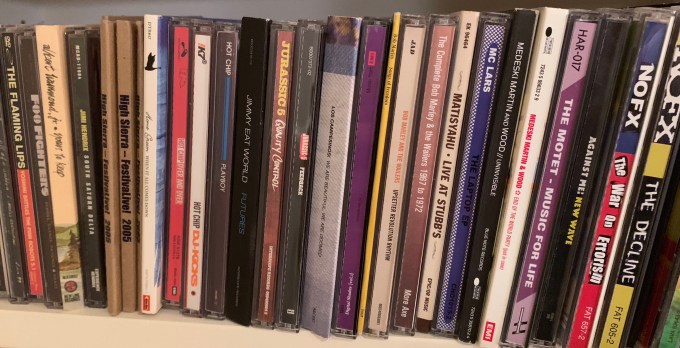
Scan My Collection – I wish I could just take photos of the album covers, spines, or even discs of my CD or record collection and have them instantly added to a playlist or folder. It’s kind of sad that after lifetimes of collecting physical music, most of it now sits on a shelf and we forget to play what we used to love. Music apps want more data on what we like, and it’s just sitting there gathering dust. There’s obviously some fun viral potential here too. Let me share what’s my most embarrassing CD. For me, it’s my dual copies of Limp Bizkit’s “Significant Other” because I played the first one so much it got scratched.

Friends Weekly Spotify ditched its in-app messaging, third-party app platform, and other ways to discover music so its playlists would decide what becomes a hit in order to exert leverage over the record labels to negotiate better deals. But music discovery is inherently social and the desktop little ticker of what friends are playing on doesn’t cut it. Spotify should let me choose to recommend my new favorite song or agree to let it share what I’ve recently played most, and put those into a Discover Weekly-style social playlist of what friends are listening to.

Snapchat

Growth – I’m sorry, I had to.

Bulk Export Memories – But seriously, Snapchat is shrinking. That’s worrisome because some users’ photos and videos are trapped on its Memories cloud hosting feature that’s supposed to help free up space on your phone. But there’s no bulk export option, meaning it could take hours of saving shots one at a time to your camera roll if you needed to get off of Snapchat, if for example it was shutting down, or got acquired, or you’re just bored of it.

Add-On Cameras – Snapchat’s Spectacles are actually pretty neat for recording first-person or underwater shots in a circular format. But otherwise they don’t do much more, and in some ways do much less, than your phone’s camera and are a long way from being a Magic Leap competitor. That’s why if Snapchat really wants to become a “Camera Company”, it should build sleek add-on cameras that augment our phone’s hardware. Snap previously explored selling a 360-camera but never launched one. A little Giroptic iO-style 360 lens that attaches to your phone’s charging port could let you capture a new kind of content that really makes people feel like they’re there with you. An Aukey Aura-style zoom lens attachment that easily fits in your pocket unlike a DSLR could also be a hit

iOS

Switch Wi-Fi/Bluetooth From Control Center – I thought the whole point of Control Center was one touch access, but I can only turn on or off the Wi-Fi and Bluetooth. It’s silly having to dig into the Settings menu to switch to a different Wi-Fi network or Bluetooth device, especially as we interact with more and more of them. Control Center should unfurl a menu of networks or devices you can choose from.

Shoot GIFs – Live Photos are a clumsy proprietary format. Instagram’s Boomerang nailed what we want out of live action GIFs and we should be able to shoot them straight from the iOS camera and export them as actual GIFs that can be used across the web. Give us some extra GIF settings and iPhones could have a new reason for teens to choose them over Androids.

Gradual Alarms – Anyone else have a heart attack whenever they hear their phone’s Alarm Clock ringtone? I know I do because I leave my alarms on so loud that I’ll never miss them, but end up being rudely shocked awake. A setting that gradually increases the volume of the iOS Alarm Clock every 15 seconds or minute so I can be gently arisen unless I refuse to get up.

Maybe some of these apply to Android, but I wouldn’t know because I’m a filthy casual iPhoner. Send me your Android suggestions, as well as what else you want to see added to your favorite apps.

[Image Credit: Hanson Inc]


https://tcrn.ch/2BADuGO My product launch wishlist for Instagram, Twitter, Uber and more https://tcrn.ch/2ELMwDV

My product launch wishlist for Instagram, Twitter, Uber and more

{rss:content:encoded} My product launch wishlist for Instagram, Twitter, Uber and more https://tcrn.ch/2ELMwDV https://tcrn.ch/2BADuGO December 25, 2018 at 01:00AM

‘Twas the night before Xmas, and all through the house, not a feature was stirring from the designer’s mouse . . . Not Twitter! Not Uber, Not Apple or Pinterest! On Facebook! On Snapchat! On Lyft or on Insta! . . . From the sidelines I ask you to flex your code’s might. Happy Xmas to all if you make these apps right.

Instagram

See More Like This – A button on feed posts that when tapped inserts a burst of similar posts before the timeline continues. Want to see more fashion, sunsets, selfies, food porn, pets, or Boomerangs? Instagram’s machine vision technology and metadata would gather them from people you follow and give you a dose. You shouldn’t have to work through search, hashtags, or the Explore page, nor permanently change your feed by following new accounts. Pinterest briefly had this feature (and should bring it back) but it’d work better on Insta.

Web DMs Instagram’s messaging feature has become the defacto place for sharing memes and trash talk about people’s photos, but it’s stuck on mobile. For all the college kids and entry-level office workers out there, this would make being stuck on laptops all day much more fun. Plus, youth culture truthsayer Taylor Lorenz wants Instagram web DMs too.

Upload Quality Indicator – Try to post a Story video or Boomerang from a crummy internet connection and they turn out a blurry mess. Instagram should warn us if our signal strength is low compared to what we usually have (since some places it’s always mediocre) and either recommend we wait for Wi-Fi, or post a low-res copy that’s replaced by the high-res version when possible.

Oh, and if new VP of product Vishal Shah is listening, I’d also like Bitmoji-style avatars and a better way to discover accounts that shows a selection of their recent posts plus their bio, instead of just one post and no context in Explore which is better for discovering content.

Twitter

DM Search – Ummm, this is pretty straightforward. It’s absurd that you can’t even search DMs by person, let alone keyword. Twitter knows messaging is a big thing on mobile right? And DMs are one of the most powerful ways to get in contact with mid-level public figures and journalists. PS: My DMs are open if you’ve got a news tip — @JoshConstine.

Unfollow Suggestions – Social networks are obsessed with getting us to follow more people, but do a terrible job of helping us clean up our feeds. With Twitter bringing back the option to see a chronological feed, we need unfollow suggestions more than ever. It should analyze who I follow but never click, fave, reply to, retweet, or even slow down to read and ask if I want to nix them. I asked for this 5 years ago and the problem has only gotten worse. Since people feel like their feeds are already overflowing, they’re stingy with following new people. That’s partly why you see accounts get only a handful of new followers when their tweets go viral and are seen by millions. I recently had a tweet with 1.7 million impressions and 18,000 Likes that drove just 11 follows. Yes I know that’s a self-own.

Analytics Benchmarks – If Twitter wants to improve conversation quality, it should teach us what works. Twitter offers analytics about each of your tweets, but not in context of your other posts. Did this drive more or fewer link clicks or follows than my typical tweet? That kind of info could guide users to create more compelling content.

Facebook

(Obviously we could get into Facebook’s myriad problems here. A less sensationalized feed that doesn’t reward exaggerated claims would top my list. Hopefully its plan to downrank “borderline content” that almost violates its policies will help when it rolls out.)

Batched Notifications – Facebook sends way too many notifications. Some are downright useless and should be eliminated. “14 friends responded to events happening tomorrow”? “Someone’s fundraiser is half way to its goal?” Get that shit out of here. But there are other notifications I want to see but that aren’t urgent nor crucial to know about individually. Facebook should let us decide to batch notifications so we’d only get one of a certain type every 12 or 24 hours, or only when a certain number of similar ones are triggered. I’d love a digest of posts to my Groups or Events from the past day rather than every time someone opens their mouth.

I so don’t care

Notifications In The “Time Well Spent” Feature – Facebook tells you how many minutes you spent on it each day over the past week and on average, but my total time on Facebook matters less to me than how often it interrupts my life with push notifications. The “Your Time On Facebook” feature should show how many notifications of each type I’ve received, which ones I actually opened, and let me turn off or batch the ones I want fewer of.

Oh, and for Will Cathcart, Facebook’s VP of apps, can I also get proper syncing so I don’t rewatch the same Stories on Instagram and Facebook, the ability to invite people to Events on mobile based on past invite lists of those I’ve hosted or attended, and the See More Like This feature I recommended for Instagram?

Uber/Lyft/Ridesharing

“Quiet Ride” Button – Sometimes you’re just not in the mood for small talk. Had a rough day, need to get work done, or want to just zone out? Ridesharing apps should offer a request for a quiet ride that if the driver accepts, you pay them an extra dollar (or get it free as a loyalty perk), and you get ferried to your destination without unnecessary conversation. I get that it’s a bit dehumanizing for the driver, but I’d bet some would happily take a little extra cash for their compliance.

“I Need More Time” Button – Sometimes you overestimate the ETA and suddenly your car is arriving before you’re ready to leave. Instead of cancelling and rebooking a few minutes later, frantically rushing so you don’t miss your window and get smacked with a no-show fee, or making the driver wait while they and the company aren’t getting paid, Uber, Lyft, and the rest should offer the “I Need More Time” button that simply rebooks you a car that’s a little further away.

Spotify/Music Streaming Apps

Scan My Collection – I wish I could just take photos of the album covers, spines, or even discs of my CD or record collection and have them instantly added to a playlist or folder. It’s kind of sad that after lifetimes of collecting physical music, most of it now sits on a shelf and we forget to play what we used to love. Music apps want more data on what we like, and it’s just sitting there gathering dust. There’s obviously some fun viral potential here too. Let me share what’s my most embarrassing CD. For me, it’s my dual copies of Limp Bizkit’s “Significant Other” because I played the first one so much it got scratched.

Friends Weekly Spotify ditched its in-app messaging, third-party app platform, and other ways to discover music so its playlists would decide what becomes a hit in order to exert leverage over the record labels to negotiate better deals. But music discovery is inherently social and the desktop little ticker of what friends are playing on doesn’t cut it. Spotify should let me choose to recommend my new favorite song or agree to let it share what I’ve recently played most, and put those into a Discover Weekly-style social playlist of what friends are listening to.

Snapchat

Growth – I’m sorry, I had to.

Bulk Export Memories – But seriously, Snapchat is shrinking. That’s worrisome because some users’ photos and videos are trapped on its Memories cloud hosting feature that’s supposed to help free up space on your phone. But there’s no bulk export option, meaning it could take hours of saving shots one at a time to your camera roll if you needed to get off of Snapchat, if for example it was shutting down, or got acquired, or you’re just bored of it.

Add-On Cameras – Snapchat’s Spectacles are actually pretty neat for recording first-person or underwater shots in a circular format. But otherwise they don’t do much more, and in some ways do much less, than your phone’s camera and are a long way from being a Magic Leap competitor. That’s why if Snapchat really wants to become a “Camera Company”, it should build sleek add-on cameras that augment our phone’s hardware. Snap previously explored selling a 360-camera but never launched one. A little Giroptic iO-style 360 lens that attaches to your phone’s charging port could let you capture a new kind of content that really makes people feel like they’re there with you. An Aukey Aura-style zoom lens attachment that easily fits in your pocket unlike a DSLR could also be a hit

iOS

Switch Wi-Fi/Bluetooth From Control Center – I thought the whole point of Control Center was one touch access, but I can only turn on or off the Wi-Fi and Bluetooth. It’s silly having to dig into the Settings menu to switch to a different Wi-Fi network or Bluetooth device, especially as we interact with more and more of them. Control Center should unfurl a menu of networks or devices you can choose from.

Shoot GIFs – Live Photos are a clumsy proprietary format. Instagram’s Boomerang nailed what we want out of live action GIFs and we should be able to shoot them straight from the iOS camera and export them as actual GIFs that can be used across the web. Give us some extra GIF settings and iPhones could have a new reason for teens to choose them over Androids.

Gradual Alarms – Anyone else have a heart attack whenever they hear their phone’s Alarm Clock ringtone? I know I do because I leave my alarms on so loud that I’ll never miss them, but end up being rudely shocked awake. A setting that gradually increases the volume of the iOS Alarm Clock every 15 seconds or minute so I can be gently arisen unless I refuse to get up.

Maybe some of these apply to Android, but I wouldn’t know because I’m a filthy casual iPhoner. Send me your Android suggestions, as well as what else you want to see added to your favorite apps.

[Image Credit: Hanson Inc]

My product launch wishlist for Instagram, Twitter, Uber and more

‘Twas the night before Xmas, and all through the house, not a feature was stirring from the designer’s mouse . . . Not Twitter! Not Uber, Not Apple or Pinterest! On Facebook! On Snapchat! On Lyft or on Insta! . . . From the sidelines I ask you to flex your code’s might. Happy Xmas to all if you make these apps right.

Instagram

See More Like This – A button on feed posts that when tapped inserts a burst of similar posts before the timeline continues. Want to see more fashion, sunsets, selfies, food porn, pets, or Boomerangs? Instagram’s machine vision technology and metadata would gather them from people you follow and give you a dose. You shouldn’t have to work through search, hashtags, or the Explore page, nor permanently change your feed by following new accounts. Pinterest briefly had this feature (and should bring it back) but it’d work better on Insta.

Web DMs Instagram’s messaging feature has become the defacto place for sharing memes and trash talk about people’s photos, but it’s stuck on mobile. For all the college kids and entry-level office workers out there, this would make being stuck on laptops all day much more fun. Plus, youth culture truthsayer Taylor Lorenz wants Instagram web DMs too.

Upload Quality Indicator – Try to post a Story video or Boomerang from a crummy internet connection and they turn out a blurry mess. Instagram should warn us if our signal strength is low compared to what we usually have (since some places it’s always mediocre) and either recommend we wait for Wi-Fi, or post a low-res copy that’s replaced by the high-res version when possible.

Oh, and if new VP of product Vishal Shah is listening, I’d also like Bitmoji-style avatars and a better way to discover accounts that shows a selection of their recent posts plus their bio, instead of just one post and no context in Explore which is better for discovering content.

Twitter

DM Search – Ummm, this is pretty straightforward. It’s absurd that you can’t even search DMs by person, let alone keyword. Twitter knows messaging is a big thing on mobile right? And DMs are one of the most powerful ways to get in contact with mid-level public figures and journalists. PS: My DMs are open if you’ve got a news tip — @JoshConstine.

Unfollow Suggestions – Social networks are obsessed with getting us to follow more people, but do a terrible job of helping us clean up our feeds. With Twitter bringing back the option to see a chronological feed, we need unfollow suggestions more than ever. It should analyze who I follow but never click, fave, reply to, retweet, or even slow down to read and ask if I want to nix them. I asked for this 5 years ago and the problem has only gotten worse. Since people feel like their feeds are already overflowing, they’re stingy with following new people. That’s partly why you see accounts get only a handful of new followers when their tweets go viral and are seen by millions. I recently had a tweet with 1.7 million impressions and 18,000 Likes that drove just 11 follows. Yes I know that’s a self-own.

Analytics Benchmarks – If Twitter wants to improve conversation quality, it should teach us what works. Twitter offers analytics about each of your tweets, but not in context of your other posts. Did this drive more or fewer link clicks or follows than my typical tweet? That kind of info could guide users to create more compelling content.

Facebook

(Obviously we could get into Facebook’s myriad problems here. A less sensationalized feed that doesn’t reward exaggerated claims would top my list. Hopefully its plan to downrank “borderline content” that almost violates its policies will help when it rolls out.)

Batched Notifications – Facebook sends way too many notifications. Some are downright useless and should be eliminated. “14 friends responded to events happening tomorrow”? “Someone’s fundraiser is half way to its goal?” Get that shit out of here. But there are other notifications I want to see but that aren’t urgent nor crucial to know about individually. Facebook should let us decide to batch notifications so we’d only get one of a certain type every 12 or 24 hours, or only when a certain number of similar ones are triggered. I’d love a digest of posts to my Groups or Events from the past day rather than every time someone opens their mouth.

I so don’t care

Notifications In The “Time Well Spent” Feature – Facebook tells you how many minutes you spent on it each day over the past week and on average, but my total time on Facebook matters less to me than how often it interrupts my life with push notifications. The “Your Time On Facebook” feature should show how many notifications of each type I’ve received, which ones I actually opened, and let me turn off or batch the ones I want fewer of.

Oh, and for Will Cathcart, Facebook’s VP of apps, can I also get proper syncing so I don’t rewatch the same Stories on Instagram and Facebook, the ability to invite people to Events on mobile based on past invite lists of those I’ve hosted or attended, and the See More Like This feature I recommended for Instagram?

Uber/Lyft/Ridesharing

“Quiet Ride” Button – Sometimes you’re just not in the mood for small talk. Had a rough day, need to get work done, or want to just zone out? Ridesharing apps should offer a request for a quiet ride that if the driver accepts, you pay them an extra dollar (or get it free as a loyalty perk), and you get ferried to your destination without unnecessary conversation. I get that it’s a bit dehumanizing for the driver, but I’d bet some would happily take a little extra cash for their compliance.

“I Need More Time” Button – Sometimes you overestimate the ETA and suddenly your car is arriving before you’re ready to leave. Instead of cancelling and rebooking a few minutes later, frantically rushing so you don’t miss your window and get smacked with a no-show fee, or making the driver wait while they and the company aren’t getting paid, Uber, Lyft, and the rest should offer the “I Need More Time” button that simply rebooks you a car that’s a little further away.

Spotify/Music Streaming Apps

Scan My Collection – I wish I could just take photos of the album covers, spines, or even discs of my CD or record collection and have them instantly added to a playlist or folder. It’s kind of sad that after lifetimes of collecting physical music, most of it now sits on a shelf and we forget to play what we used to love. Music apps want more data on what we like, and it’s just sitting there gathering dust. There’s obviously some fun viral potential here too. Let me share what’s my most embarrassing CD. For me, it’s my dual copies of Limp Bizkit’s “Significant Other” because I played the first one so much it got scratched.

Friends Weekly Spotify ditched its in-app messaging, third-party app platform, and other ways to discover music so its playlists would decide what becomes a hit in order to exert leverage over the record labels to negotiate better deals. But music discovery is inherently social and the desktop little ticker of what friends are playing on doesn’t cut it. Spotify should let me choose to recommend my new favorite song or agree to let it share what I’ve recently played most, and put those into a Discover Weekly-style social playlist of what friends are listening to.

Snapchat

Growth – I’m sorry, I had to.

Bulk Export Memories – But seriously, Snapchat is shrinking. That’s worrisome because some users’ photos and videos are trapped on its Memories cloud hosting feature that’s supposed to help free up space on your phone. But there’s no bulk export option, meaning it could take hours of saving shots one at a time to your camera roll if you needed to get off of Snapchat, if for example it was shutting down, or got acquired, or you’re just bored of it.

Add-On Cameras – Snapchat’s Spectacles are actually pretty neat for recording first-person or underwater shots in a circular format. But otherwise they don’t do much more, and in some ways do much less, than your phone’s camera and are a long way from being a Magic Leap competitor. That’s why if Snapchat really wants to become a “Camera Company”, it should build sleek add-on cameras that augment our phone’s hardware. Snap previously explored selling a 360-camera but never launched one. A little Giroptic iO-style 360 lens that attaches to your phone’s charging port could let you capture a new kind of content that really makes people feel like they’re there with you. An Aukey Aura-style zoom lens attachment that easily fits in your pocket unlike a DSLR could also be a hit

iOS

Switch Wi-Fi/Bluetooth From Control Center – I thought the whole point of Control Center was one touch access, but I can only turn on or off the Wi-Fi and Bluetooth. It’s silly having to dig into the Settings menu to switch to a different Wi-Fi network or Bluetooth device, especially as we interact with more and more of them. Control Center should unfurl a menu of networks or devices you can choose from.

Shoot GIFs – Live Photos are a clumsy proprietary format. Instagram’s Boomerang nailed what we want out of live action GIFs and we should be able to shoot them straight from the iOS camera and export them as actual GIFs that can be used across the web. Give us some extra GIF settings and iPhones could have a new reason for teens to choose them over Androids.

Gradual Alarms – Anyone else have a heart attack whenever they hear their phone’s Alarm Clock ringtone? I know I do because I leave my alarms on so loud that I’ll never miss them, but end up being rudely shocked awake. A setting that gradually increases the volume of the iOS Alarm Clock every 15 seconds or minute so I can be gently arisen unless I refuse to get up.

Maybe some of these apply to Android, but I wouldn’t know because I’m a filthy casual iPhoner. Send me your Android suggestions, as well as what else you want to see added to your favorite apps.

[Image Credit: Hanson Inc]


from Social – TechCrunch https://tcrn.ch/2BADuGO My product launch wishlist for Instagram, Twitter, Uber and more Josh Constine https://tcrn.ch/2ELMwDV
via IFTTT

blogger better Headline Animator